

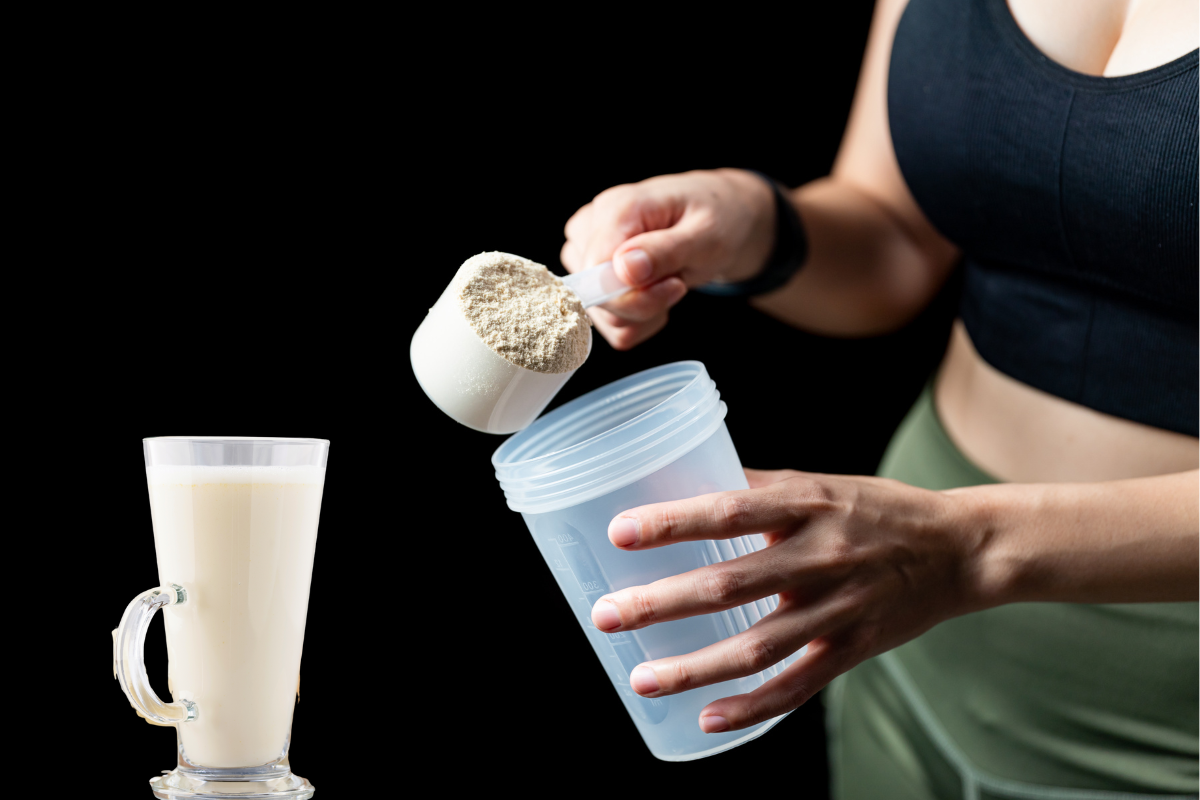
Why Homemade Protein Powder? Cost-saving benefits
Homemade protein powder is cheaper and safer than most store-bought powders and is easier to digest. Get started with basic kitchen ingredients such as oats, nuts, seeds, and dals to prepare a high-protein powder that will help you gain muscle, lose weight, or stay generally fit.
Protein powders are indeed on the rise, though not exclusively in the realms of bodybuilders and athletes; rather, more and more weight-reducing people are fast gaining interest in proteins. Enter any supplement store, and you will find a whole range of proteins from whey, casein, soy, or whatever they wish to consider as protein: plant-based powders.
At the same time, commercial branding is costly and heavily processed, and if sweetened, there is the question of whether sugar, artificial sweeteners, or additives were used.
All these reasons compel people to make protein powder at home: it is freshly made, adaptable to his/her needs, pocket-friendly, and, more importantly, he or she is aware of just what went into the powder. Add to this the current craze about plant-based diets and clean-label nutrition, making DIY protein powders just in time along the wellness bandwagon.
Quick answer
You can make protein powder at home by blending roasted oats, almonds, peanuts, flax seeds, chia seeds, and dal or soy chunks into a fine powder. This natural mix gives 12–20 g of protein per serving and is cheap, healthy, and free from chemicals.
Variation of Protein
Protein should have nothing associated with bodybuilding. A few takeaways from the protein trends rocking the international market:
- Plant proteins: The pea, soy, rice, and hemp proteins are classified as eco-friendly and easy to digest.
- Personalised nutrition: There is a growing demand for protein customised according to lifestyles, be they vegan, low carb, gluten-free, or allergen-free.
- Clean label: The ingredient list is short and simple and without any fillers, gums, and mystery chemicals.
- Protein for all: The aim is to stretch beyond the bodybuilder to include the busy professional, the harried or innovative mom, the elderly, and a healthy-weight watcher.
So it is about making your protein powder fit these trends – close to clean, natural, and personalised nutrition.
You Should Care About Protein in Your Body
Proteins are made of amino acids – the building blocks of muscles, which rebuild, confer immunity, and provide strength sustenance.
- Muscle repair and growth: After workouts, especially needed for the restoration of torn fibres.
- Satiety and weight loss: High-protein diets manage cravings to reduce appetite.
- Bone Health: Enough protein is vital for calcium absorption.
- Skin, hair, and nails: They rely on collagen and keratin production.
- Protein here and there: lifting weights, yoga, or just being healthy.
Who should use protein powder & how much?
Your daily protein requirements depend on activity, age, and goals:
- Sedentary adults: 0.8 g per kg of body weight.
- Active people & athletes: 1.2-2.0 g per kg a day.
- Strength Training & Muscle Gain: 1.6-2.0 g per kg a day.
- Endurance Training: 1.2-1.6 g per kg a day. Examples
- For a 60 kg weightlifter, the protein intake should be around 90-120 g a day.
- Nudge: Partition your intake: Spreading protein intake naturally maximises muscle protein synthesis, and any meal with around 20-40 grams of protein seems to do the trick.
Protein Content Chart per 100 gm
Protein Content Per Ingredient (Approx.)
- Oats: 12g per 100g
- Soy chunks: 52g per 100g
- Flax seeds: 18g per 100g
| Ingredient | Protein (per 100g) |
| Soya chunks | 52 g |
| Peanuts | 25 g |
| Almonds | 21g |
| Pumpkin seeds | 30 g |
| Chana dal | 21g |
Side Effects of Protein Powder
In general, if prescribed, protein is fairly safe for healthy individuals. However, excessive doses or low-quality supplements might bring a number of complications:
Gastrointestinal distress: Some powders, whey being the prevalent one, cause bloating, gas, or cramps.
Rarely kidney strain: Fine with the high-protein rage, healthy folks; anyone with past kidney or liver conditions should steer clear of high-protein diets unless under strict medical supervision.
Skin problems: An association was suggested between evidence for breast milk and acne for some sensitised individuals.
Commercial powders hold artificial sweeteners, thickening agents, and so on in some brands. The risks are significantly lesser when the protein is homemade by you instead since the ingredients are in your hands.
Homemade protein powder recipes
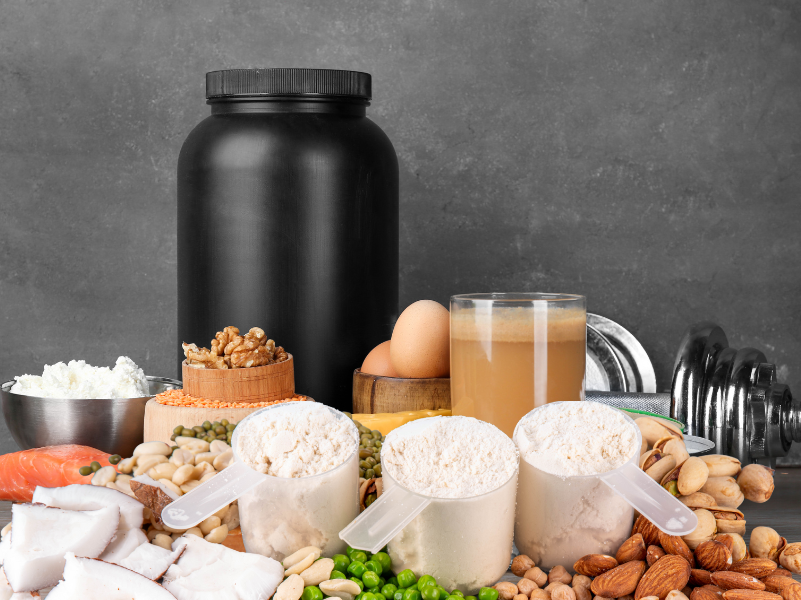
Here is a flexible recipe for homemade protein, which can be altered as per diet needs.
Ingredients (base recipe)
- 2 cups rolled oats (ground to powder for carbs & fiber)
- 1 cup skimmed milk powder or pea protein isolate (for the vegan option)
- 1 cup almonds or peanuts (roasted & ground for healthy fats + protein)
- 2 tbsp chia seeds or flaxseeds (omega-3s + fiber)
- ½ cup unsweetened cocoa powder (flavours and antioxidants)
- Optional: For sweetness, use 2 tbsp stevia, jaggery powder, or honey powder
- Optional extra flavoring agents: Vanilla powder, cinnamon, turmeric, or dried fruit powder
Step-by-step method: To make Protein Powder
- Grind rolled oats to a fine powder.
- Grind almonds/peanuts until powdery (do not over-blend, or they will become paste).
- In a large bowl, mix oats, nuts, milk/pea powder, cacao, seeds, and flavourings.
- Sift the mixture to eliminate any lumps, ensuring a smooth texture.
- Store in an airtight jar in a cool and dry place. Consume in 6-8 weeks.
How to Use
Add 2-3 tbsp of this powder to 250 ml of milk, almond milk, or water.
Blend it up with your choice of banana, berries, or yoghurt to make a full smoothie.
Stir into overnight oats, pancake batter, and baking recipes with delight!
Is Homemade Protein Powder Good for Weight Loss?
Yes, because it has:
- High protein
- Low sugar
- No chemicals
- Keeps you full for long
- Improves metabolism
Who Should Use This Homemade Protein Powder?
- Students
- Women
- Beginners
- People with digestion issues
- People who want a natural option
Awareness Of commercial protein powder
Many commercial protein powders contain artificial flavours and colours, sugar, preservatives, and processing chemicals that can trigger gas and bloating or problems with digestion. They are also at an expensive price and, in some cases, include cheap fillers that diminish the total nutritional value. Excessive processing takes away natural benefits from these products, and they may not suit some individuals, especially children, or those with sensitive stomachs. Homemade protein powder is more reliable, cleaner, and natural, as you control the ingredient selection.
Variations To Try
Vegan protein: pea protein isolate + oats + hemp seeds + cocoa.
High-protein weight gain mix: add to powdered milk + peanut powder + oats for calories.
Low-carb keto-friendly: use whey isolate + ground chia/flax + cocoa; omit oats.
Ayurvedic twist: ashwagandha, turmeric, or moringa powder added for their adaptogenic properties.
The Best Workouts with Protein Powder
Proteins are magical, that is, only with the right activity.
Strength training (Best Pick)
The focus is compound lifts: squats, deadlifts, pushes, and rows.
Try to aim for about 3-5 times a week.
Protein + resistance = muscle growth & silicon & strength.
Endurance Training
Athletes running, cycling, or swimming will require protein to assist them to recover from their sport.
This prevents muscle breakdown for prolonged durations.
HIIT & functional workouts
Fastest recovery time after a high-intensity interval workout.
Remember: protein complements exercise; it is not a substitute. If you don’t work out, excess proteins will just mean extra fat.
Best Practices to Maximize Homemade Protein Powder
- Use quality ingredients. Purchase raw, organic, or roasted nuts/seeds for health considerations.
- Storage safety. Keep moisture away; throw in a food-grade silica pack to avoid clumping.
- Flavour fun. Scoops of cocoa, vanilla, coffee, or a powder from dried fruit will make the beverage scrumptious.
- Count that scoop. Use a nutrition calculator to verify how many grams of protein per scoop your mix will provide.
Conclusion
Learning how to prepare protein powder at home gives you full control over ingredients, keeps you away from harmful additives, and saves money. Be it a muscular body seeker at the gym, an athlete working on faster recovery, or simply someone trying to eat healthier, the do-it-yourself protein powder is surely smart, natural, and self-helping. Pair it with the right workouts and a balanced diet, and you’ll see the best results: strong muscles, better recovery, and overall health improvement
FAQs
A: Yes, provided good ingredients are employed. Store-bought powders may have more protein per scoop (due to isolates), but DIY is cleaner and custom-made.
A: Yes. Use it as a meal replacement smoothie to stay full while keeping calories in check.
A: Usually 6-8 weeks in a dry, airtight container. Refrigeration makes it stay fresh longer.









Leave a Reply