
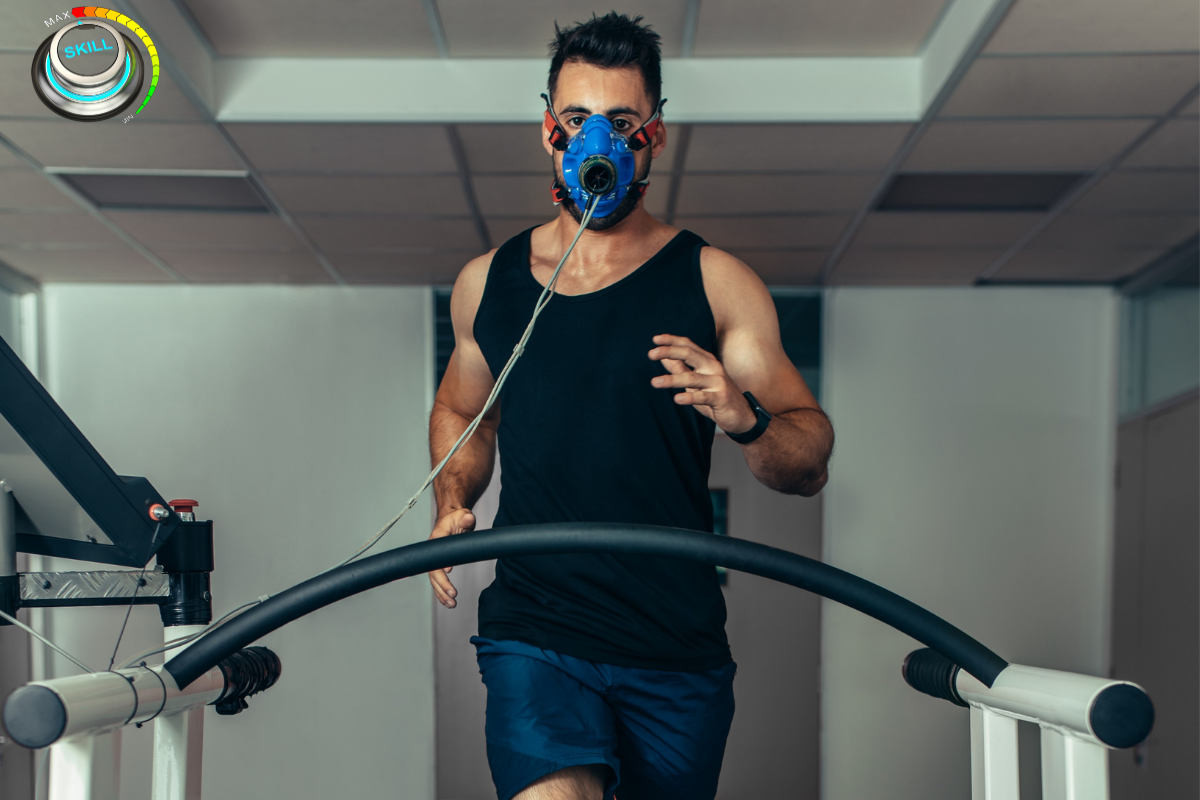
VO2 max is maximum oxygen uptake, which sounds like a technical workout formation but means that it is the simplest in fitness definitions.
It tells how well your body uses oxygen during work. The higher the VO2 max, the easier it will be for you to walk fast, run, climb stairs, or perform any exercise without breathlessness. A good VO2 max equals endurance, faster recovery, and a healthy heart.
Lately, there was a lot of talk about VO2 max in the magazines, whereby sports doctors and fitness researchers agreed that according to new research, even a small amount of weekly stimulus would improve it.
Let us clear all the dust in some simple, healthy ways so that you can place it in your daily life.
Power Up First: The Mindset That Makes You Unstoppable
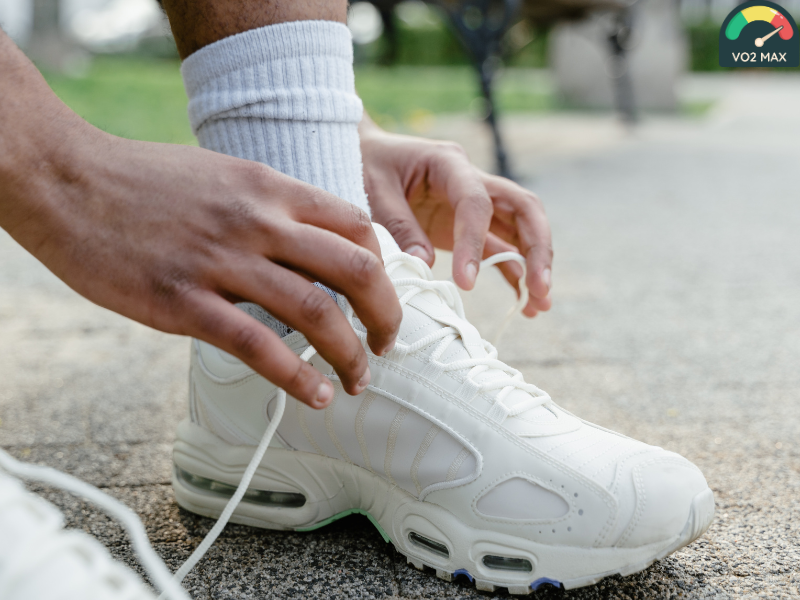
You don’t have to wait until you’re really fit or exercise for long periods before you begin the journey of VO2 max – it takes only one little decision. It requires telling yourself that for today, you’ll exercise for just 10 minutes, since consistency is more important than intensity.
These little steps – walking 2 minutes, running up a few stairs, or just doing a few minutes of breath practice – quickly build confidence, which creates momentum. Each week, you notice little changes: Stair climbing is easier; breathing is smoother; energy is enhanced.
Remember your ‘why’ and hold it close: you do it to be stronger, healthier, and more alive. And then when you take that first step, you’ll know that all you ever needed was the courage just to begin.
VO2 Max Actually Refer To
Look at VO2 max as “the capacity of your oxygen engine”.
During activity, your heart pumps oxygen-rich blood, and the muscle utilises the oxygen to form energy.
The more the VO2 max, the more engine capacity and the more stamina.
An improvement is possible for everyone, even for a beginner.
Experts’ Talk
Recently, interviews with sports physicians and magazines on the subject of fitness highlight three keys:
- Short and intense workouts act faster than long and slow ones
- Breathing is really beneficial, especially for strengthening the respiratory muscles; it does more than people expect
- A consistent effort for 4–6 weeks will create visible changes in running speed, energy levels, and endurance Simple and easy for anyone.
Getting the Best Out of VO2 Max
1. HIIT means Short Bursts for maximum impact.
HIIT consists of short bursts of hard effort or work interspersed with rest.
Example: 40 seconds of work, 20 seconds of rest.
Why it works: Your heart and lungs work hard, training themselves to deliver oxygen better.
Great news: HIIT takes only 20-25 minutes and shows results in a couple of weeks.
2. THE NORWEGIAN 4 X 4 RUNNING INTERVALS
It is gaining popularity because it is powerful without being too hard.
How to do this one?
- 4 minutes fast (but controlled)
- 3 minutes slow
- Repeat 4 times
Can be done on a treadmill, cycle, walk-run style, or even stairs.
3. REHIT – For Workaholics
Super-short Workouts
This is HIIT in an even shorter version.
The workout is performed for about 20–30 seconds near max effort level, then rest for a few minutes.
This is perfect for any day when you only have 10–12 minutes.
4. Breathing Exercises That Really Do Improve
Recently IMT, inspiratory muscle training for strengthening the muscles, is much talked about by doctors.
A brief home session:
- Sit tall, breathe right with the nose
- Slowly exhale through pursed lips
- Repeat for 10 mins
- Optional – You can withstand a little more by adding a simple device in the market
Regular practice of this breathing exercise will help improve lung power and counter early fatigue.
5. Increase Your Aerobic Base with Slow Workouts
This one is your comfort-zone cardio.
For example, brisk walking or slow jogging for about 20-30 minutes.
This helps your body make more capillaries (the blood channels) and stronger mitochondria (the energy factories), which contribute to the efficacy of your fast workouts.
6. Active Recovery for Supporting Workouts
While some VO2 max gains are made during workouts, most actually happen during recovery.
With this in mind, recovery should encompass:
- 7-9 hours sleep
- Active recovery days
- Gentle stretching
- Timely hydration.
We are not going anywhere if we have tired bodies.
7. Nutrition Matters, Especially Iron
Low iron means decreased oxygen-transporting capacity in your blood.
What are the likely indicators of low iron?
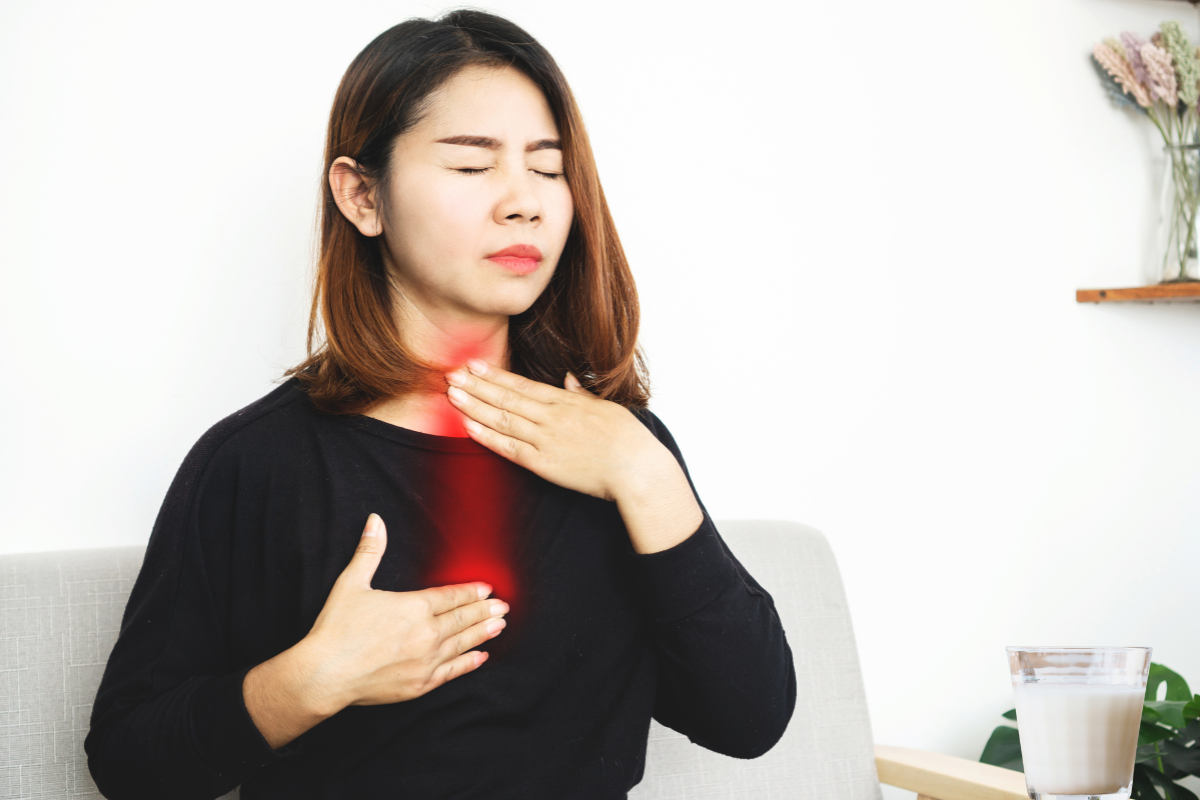
- You feel tired throughout the day
- You are breathless rather too quickly
- You have a pale complexion
- You lose too much hair.
Iron-rich vegetarian food items: spinach, beets, jaggery, dates, rajma, sprouts, bajra, and pumpkin seeds.
Add vitamin C (from lemon/orange) to aid absorption.
8. Advanced Alternative: Altitude Training or Hypoxic Training
Increased elevation training leads to an increase in red blood cells, which, in turn, enhances VO2 max.
But this is not necessary and should only be done under professional care.
Home Remedies You Can Execute Starting Today
Diaphragmatic Breathing (5 minutes)
Lie or sit comfortably with your hand resting on your belly. Inhale deeply, noticing your belly rising, then exhale slowly.
It helps your breathing while working out.
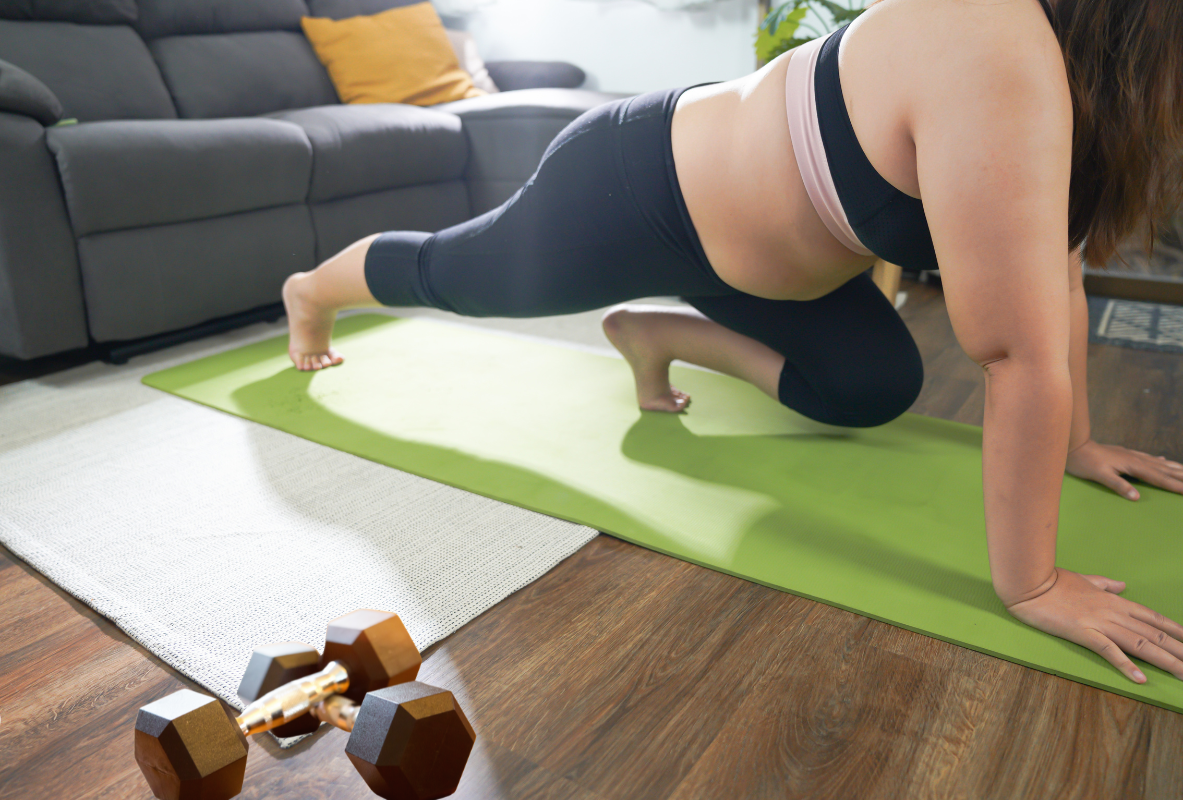
Stair Intervals (5-8 rounds)
Climb the stairway quickly for 20-30 seconds and walk down slowly.
This is a very natural HIIT.
Morning Drinking Warm Water With Lemon
This aids hydration and freshness before workouts.
A daily 10-minute walk after meals
This helps circulation and keeps your lungs awake.
It is good to expose oneself to sunlight
This maintains vitamin D levels, needed for muscle function and breathing quality.
6-Week Plan for Beginners
1. Weeks 1-2
- 2× HIIT
- 1× Easy cardio 30-40 minutes
- 5-10 minutes of breathing practice every day
2. Weeks 3-4
- 1× Norwegian 4×4
- 1× HIIT
- 1× Long easy
- Plus, continue with the breathing exercises
3. Weeks 5-6
- 1× REHIT (super short)
- 1× HIIT
- 1× Long easy cardio
- Add stairs or cycling intervals once a week
It also provides a great balance between intensity and recovery and is sustainable for anyone.
Final Thoughts
VO2 max is one of the most inexpensive and least skill-demanding options for improvement. Short bouts or intervals, some easy breathing exercises, some weekly basic training, and nutrition all together can improve stamina and energy for daily activities in a matter of weeks.
FAQs
Most people start noticing changes after 4 to 6 weeks.
Not mandatory, but it helps. Improved functional capacity will also be reflected in daily activities.
Yes, but please start slow. Even fast walking mixed with slow walking qualifies as HIIT.









Leave a Reply