

What is Surya Namaskar/Sun salutation?
Surya Namaskar, or Sun Salutation, denotes a system of flowing transition through yoga postures, done rhythmically, and coordinated with breath. Traditionally, it constitutes a series of 12 linked asanas or poses performed as a gesture of devotion to the sun. From just one series of stretching and breathing, it has become recognized in modern yoga, evolving into a full-body workout of breath and movement, an active meditative discipline. Essentially, it combines aerobics, flexibility, and breath training. Major muscle groups must be moved; there must be movement in the spine and joints, extension and contraction, and inhalation and exhalation are all in conjunction with movement.
Benefits of Surya Namaskar
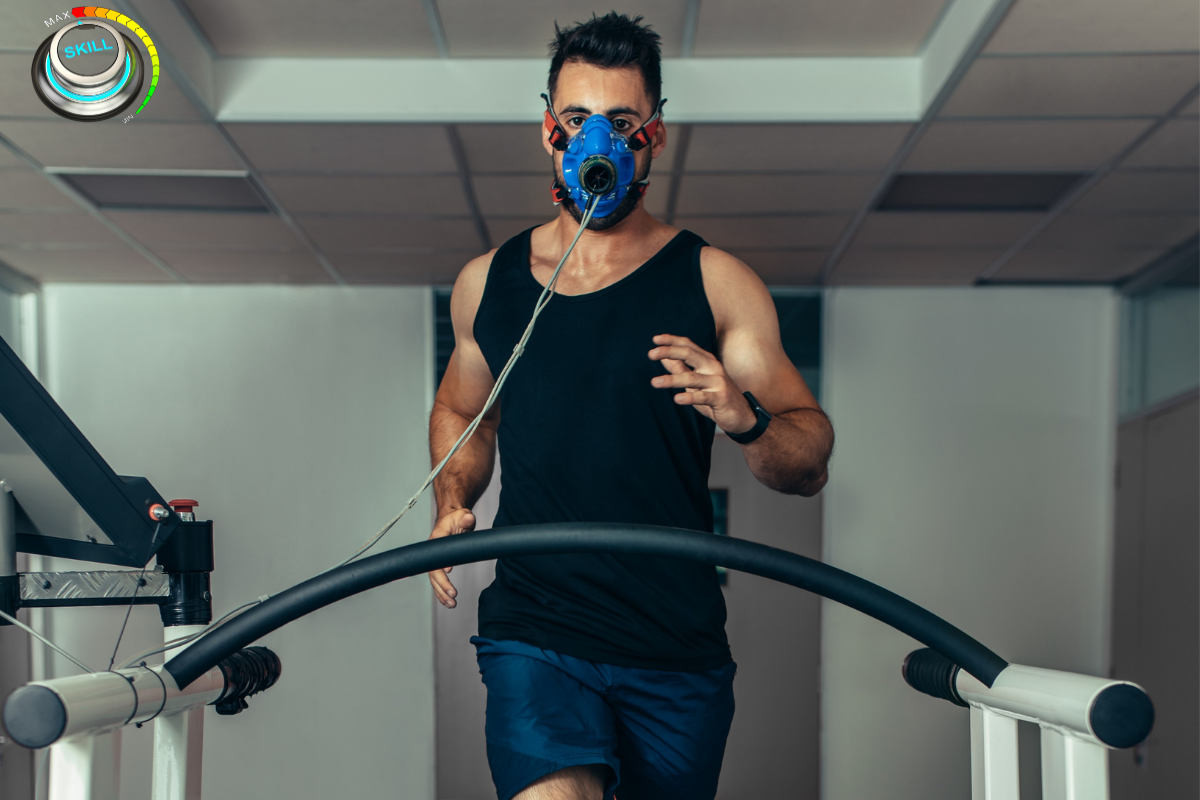
1. Enhancing cardiorespiratory fitness and endurance. Numerous studies have pointed out that Sun Salutation, particularly when done dynamically or very brisk, increases heart rate, oxygen consumption level, and the overall cardiorespiratory efficiency-unquestionably an important element on the consideration of cardiovascular health and endurance training.
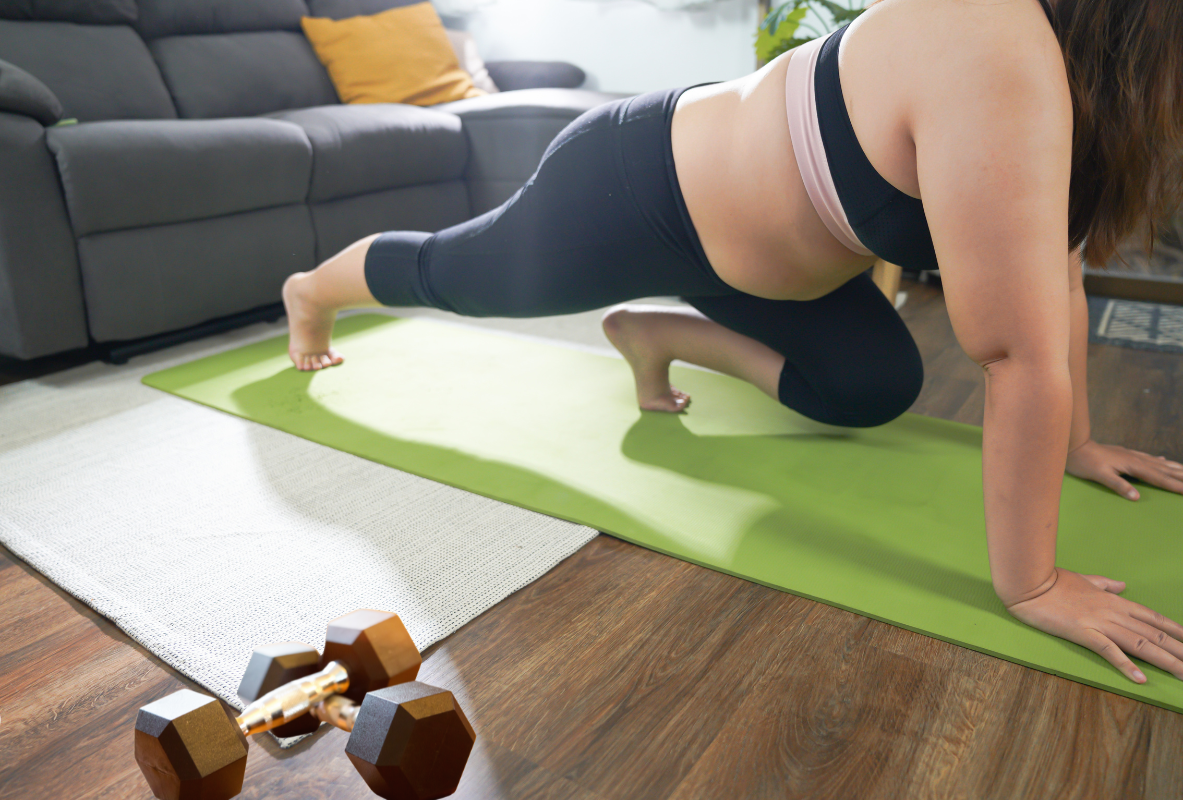
2. Enhances body composition and weight control. On regular practice, the energy expenditure will be higher, and with diet control, it can give an individual fat loss and improved body composition. Findings from a recent 2025 pilot intervention study showed a significant gain in strength endurance following three weeks of Surya Namaskar practice, hence continuing to substantiate evidence of its physiological benefits in future years.
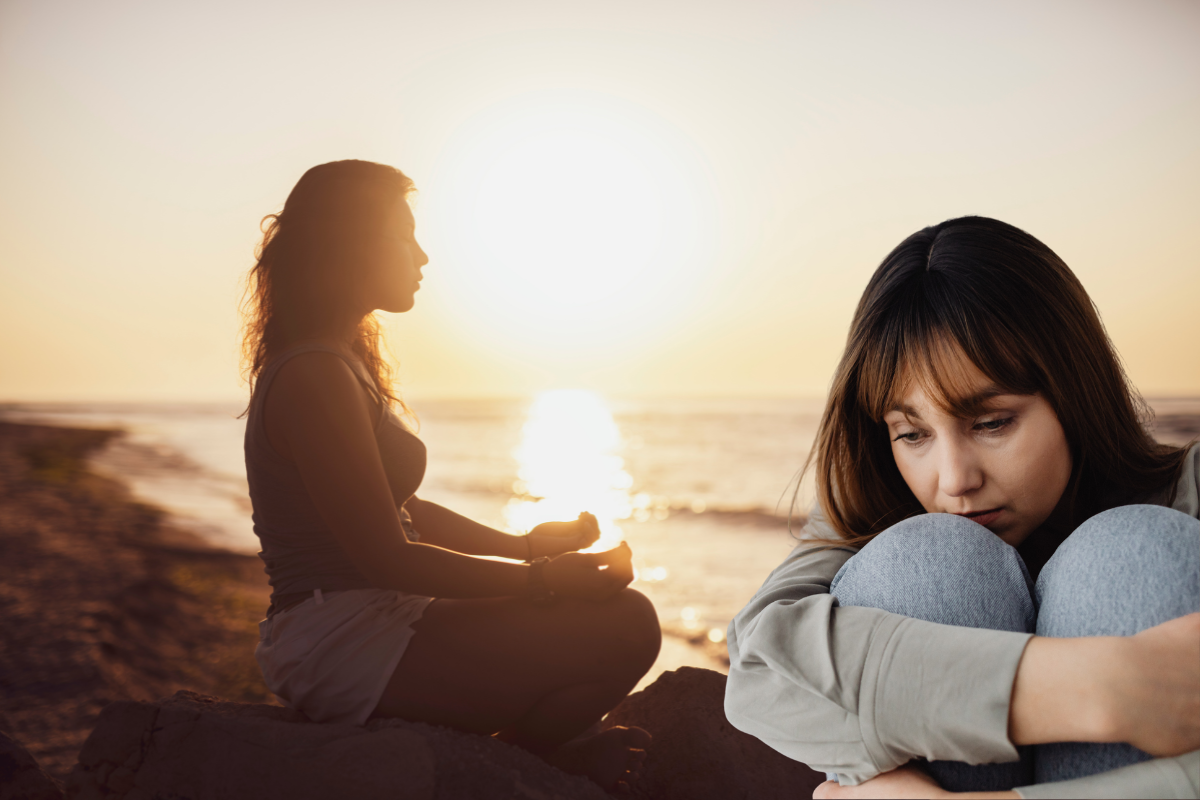
3. Sun Salutation improves balance in autonomic functioning and stress levels. Studies show Surya Namaskar can shift autonomic tone to a higher presence in the parasympathetic (rest and repair) domain while withdrawing sympathetic dominance, so it helps with lower stress levels, better heart rate variability (HRV), and good emotional regulation.
4. Increase in flexibility, strength, and posture. Stretches the hamstrings and hip flexors, while stretching the shoulders and spine; strengthening of arms, legs, and core provide balanced functional fitness and joint mobility improvement.
5. Enhances digestion, hormonal balance, and related menstrual problems (emerging evidence). There are numerous narrative and clinical studies outlining advancement made in digestion and some relief provided to menstrual disorders and mechanisms are still yet to be explored and are population-dependent.
Takeaway: This gentle yet powerful practice of Sun Salutation gives you cardiovascular, metabolic, flexibility, and stress-relief benefits in just 3-12 rounds a day depending on how aerobic versus restorative the practice becomes based on intensity and speed.
Classic 12 steps Surya Namaskar with breathing cues
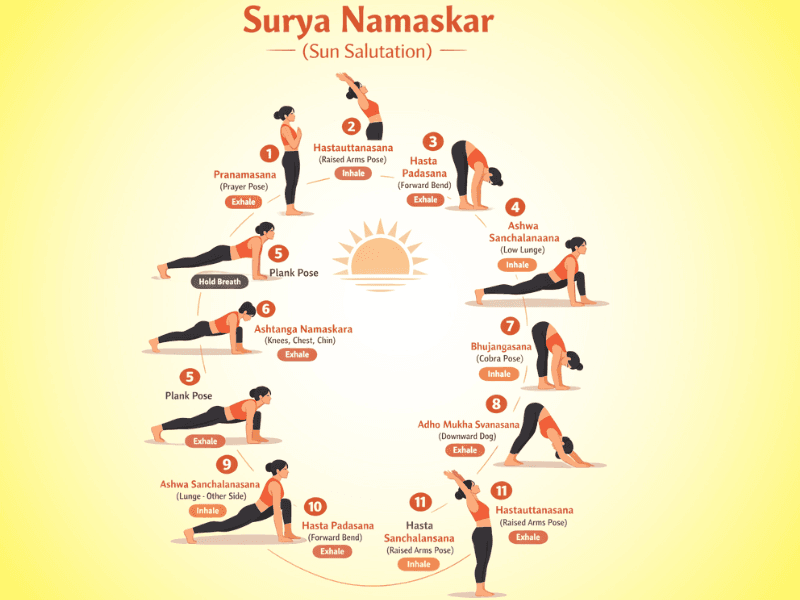
Initially perform the rounds slowly; just harmonizing that each of the movements is to go with either an inhalation (inhale) movement or an exhalation (exhale) movement. As full round counted 12 steps, usually practitioners repeat the round on both sides(when applicable).
- Pranamasana (Prayer pose) – Stand tall, feet together. Bring the palms in front of the heart. Exhale.
- Hastauttanasana (Raised arms pose) – Inhale, sweeping arms up and back, lengthening spine.
- Hasta Padasana (Standing forward bend) – Exhale, hinging from the hips, folding forward; hands towards feet.
- Ashwa Sanchalanasana (Low lunge) – Inhale, stepping back with right leg, and knee down (or high lunge), keeping gaze forward.
- Dandasana / Plank – Hold breath or inhale as you step back into plank; body straight.
- Ashtanga Namaskara / Knees-Chest-Chin (or alternate: Chaturanga) – Exhale, lowering knees-chest-chin or halfway (chaturanga) with elbows hugged.
- Bhujangasana (Cobra) – Inhale, sliding forward, lifting chest using back muscles (or Upward Dog).
- Adho Mukha Svanasana (Downward-Facing Dog) – Exhale; lift hips back and up into an inverted V; hold for 3-5 breaths.
- Ashwa Sanchalanasana (Other leg forward lunge) – Inhale, stepping the original forward leg forward into lunge.
- Hasta Padasana (Standing forward bend) – Exhale, bring feet together and fold.
- Hastauttanasana (Raised arms pose) – Inhale, sweeping arms up and lengthening back.
- Pranamasana (Prayer pose) – Exhale, bringing palms to heart; the round is completed.
Note: Some traditions count a left-side and right-side version as separate rounds; others do both lungs in the round (as above). Modifications: Hands on blocks for tight hamstrings; drop knees for gentler plank,hold half cobra instead of full cobra for lower back issues.
Proper positioning, breath & common mistakes
Synchronize breath and movement. Inhale on going backward and opening, (like raising arms or cobra); exhale on forward folds and lowering. Breath should always be free and not forced.
Alignment of hips and spine. Hinge from the hips in forward folds. Don’t round upper back at the same time. Keep the spine neutral while in plank and chaturanga; that protects shoulders and back.
Core engagement. Brings light navel pull toward spine to protect that lumbar area during transitions.
Do not rush. Move very slowly when learning to feel the alignment and breath each postures offers. Speeding it will increase the aerobic demand of the Surya Namaskar; moving slow will bring mobility and mindfulness.
Accommodate injury. If there are herniated discs, avoid deep back bending, risk wrist pain by modifying to forearm plank; any advanced situations, such as pregnancy or postsurgical recovery, should be under the guidance of a qualified instructor.
Best time for Surya Namaskar
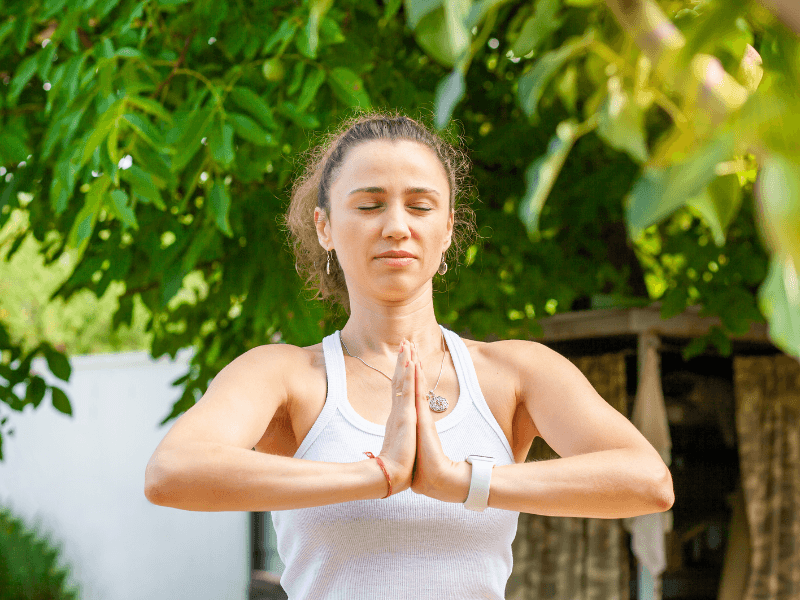
Traditionally, the early morning (sunrise/Brahma Muhurta) is considered the most suitable, as it agrees with our circadian rhythms, which are refreshingly restorative and invigorate metabolism throughout the day. Evening practice is also acceptable, but the effect can alternately be energizing or calming depending on the pace; however, vigorous activity should be avoided right before sleep. Ideally, timing could be more flexible nowadays, based on consistency. For most, an early morning practice continues to be the most beneficial according to both tradition and physiological reasons.
How many rounds?
Beginner-level students focus on 3-6 slow, contemplative rounds for alignment and breathing.
Intermediate students focus on 6-12 rounds at a moderate speed on endurance and mobility.
Advanced and goal- or result-oriented yoga practitioners can take 12 or more rounds or fast-paced sequences for cardio, with recovery and listening to one’s body as an essential balance. Recent guideline indications suggest that measurable benefits are seen even with practicing 3 rounds consistently.
Research
Reviews and trials from 2024 to 2025 provided evidence of repetitive developments in cardiorespiratory health, autonomic balance (HRV), and slight adjustments to body composition for people who practice regularly. However, evidence is limited when it comes to bigger randomized trials; thus the ones available at present are mostly quasi-experimental or derived from narrative reviews, which are calling for a further long-term controlled trial.
know more about Surya Namska: Readings and Resources
Light on Yoga, by B.K.S. Iyengar: A classic, very technical, great for alignment.
The Heart of Yoga, by T.K.V. Desikachar: Philosophy/practice with emphasis on individualization.
Surya Namaskar guide by recognized yoga schools (Art of Living, Iyengar Yoga Institutes, etc.): for clear stepwise illustrations.
Search for the scientific summaries, locate recent narrative reviews in peer-reviewed journal publications from 2023-2025, summarizing the findings and including citations to the primary trials.
Final tips (quick checklist)
At the time of Sunrise, do Surya namaskar in open space Infront of sun to get maximum effect and energy. Start with 5 min warmup than start with Breathe first and speed second. make Knees are slightly bent in forward folds if hamstrings are tight. On an empty stomach or 2-3hr after a truly heavy meal.
If any long-term condition (cardiac, pregnant, extreme hypertension), consult a medical practitioner or certified yoga therapist.
Surya Namaskar is a short practice integrating all elements: breath, movement, and awareness based on evidence. Wherever it leads: improved fitness, enhanced mood, or just a wake-up routine, regular and well-aligned practice can lead to wise benefits, albeit confined to 3-6 rounds.





Leave a Reply