

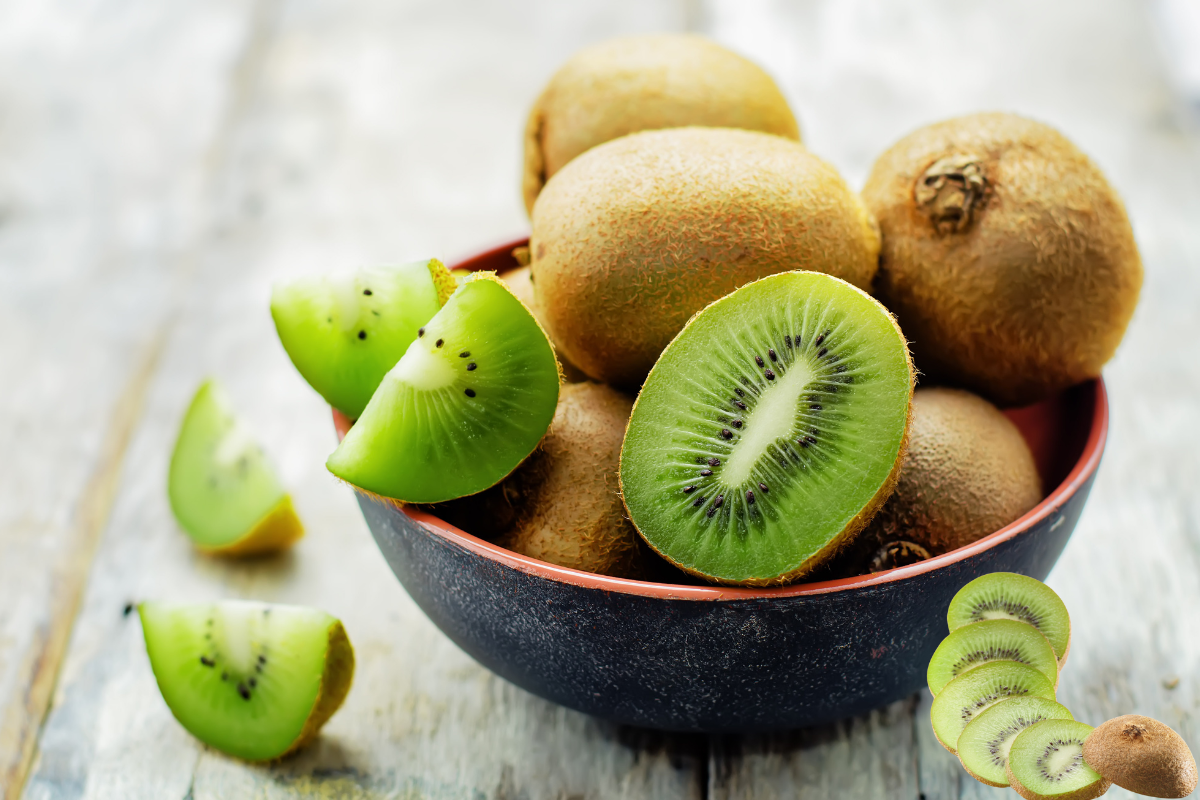
Kiwi is among the most nutritious fruits available on Earth. It has a rich vitamin C content along with fibre, antioxidants, and other essential minerals. Most people eat the soft green flesh within a kiwi, and unfortunately, many throw away the skin because of the fuzziness which comes with it, creating a common, interesting question in many minds: can you eat kiwi skin?
The answer is yes, you can eat kiwi skin; it is completely safe for most people. In fact, kiwi skin contains more fibre and antioxidants than flesh. But there are a few things to know before introducing kiwi skin into your diet.
This blog reveals if kiwi skin is edible, its health benefits, possible side effects, and how best to eat it.
Is It Safe to Eat Kiwi Skin?
Eating kiwi with the skin is safe for most healthy people. Kiwis of all kinds of customers – the green kiwi, golden kiwi, and baby kiwi – have edible skin. The skin of golden kiwi is smoother and less fuzzy, thus easier to eat compared to that of green kiwi.
However, for someone with a sensitive stomach, allergies, or digestive problems, it is good to begin with small amounts.
Nutritional Value of Kiwi Skin
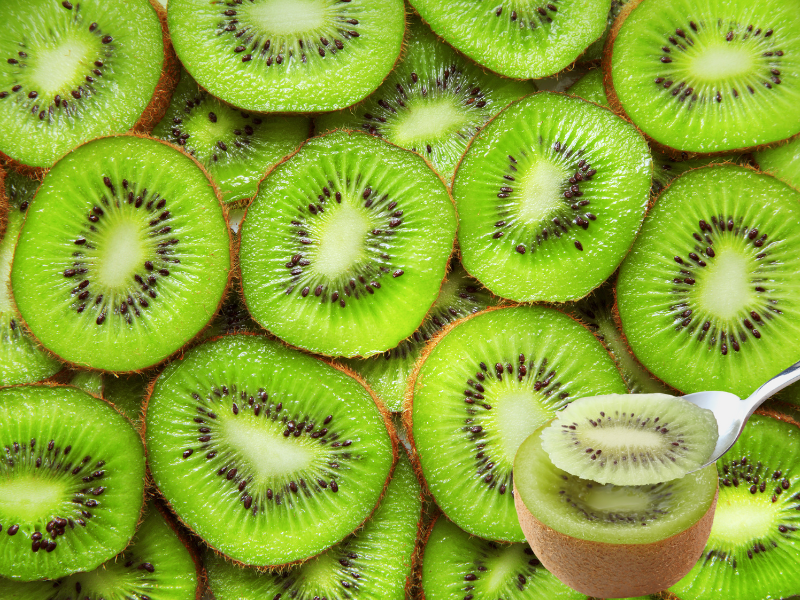
The truth is that kiwi has more nutrients on its outer skin than on its inner fruit; thus, eating it whole ensures that maximum health benefits can be harvested.
Kiwi skin is rich in
- Fibre
- Vitamin C
- Vitamin E
- Antioxidants
- Polyphenolic
- Folate
Eating kiwi with skin on will provide you with an additional fibre intake increased by as much as 50%, while antioxidant intake can be increased by up to 30% when compared to eating only the flesh.
Health Benefits of Eating Kiwi Skin
Improves Digestion
Kiwi skin is incredibly rich in dietary fibre. Fibre regulates bowel movements and prevents constipation, improving overall gut health. For people suffering from problems concerning digestion, eating the skin can help streamline digestion further.
Builds the Immune System
Vitamin C and antioxidants in kiwi skin contribute to building immunity. They protect the body against infections, decrease inflammation, and eliminate the effects of free radicals.
Heart-Friendly
Fibre, antioxidants, and potassium in kiwi skin help lower levels of bad cholesterol and improve blood flow. This, in turn, lowers the chances of heart complications, as well as hypertension.
Losing Weight
Kiwi skin is low-calorie, but it is high in fibre. Hence, it keeps you full much longer and helps in controlling cravings. Therefore, eating kiwi with skin can assist with proper weight management.
Boosts Skin Health
The skin conditions have vitamin E and antioxidants that enhance a glowing skin condition, minimising signs of ageing while protecting it from damage caused by pollution and sunlight.
Helps Control Blood Sugar
The fibre present in kiwi skin aids the detection of sugar up in blood absorption, hence making it a favourable fruit for those seeking to manage their blood sugar levels in a more natural way.
Are There Any Side Effects of Kiwi Skin?
Some individuals might experience mild side effects from consuming kiwi skin.
Those likely to experience issues include:
- Those with a sensitive mouth or throat
- People allergic to kiwi
- Those with digestive disorders
The tiny hair-like fibres on the skin may irritate the mouth mildly for some. Rarely, the consumption of kiwi can lead to allergic reactions: for instance, with symptoms such as itching and swelling of lips or irritation in the throat.
If mild discomfort is felt after eating kiwi, it is the better option to not consume it and see a doctor.
How to Properly Eat Kiwi With Skin
This simple technique is best if you put kiwi skin in your mouth for the first time.
Wash the entire place of the kiwi thoroughly under running water to get rid of dirt, bacteria, and pesticide residue.
You could gently rub the skin with your fingers, or you could use a soft fruit brush.
Then pat dry with a clean cloth.
Cut off the hard stem end.
Now slice and eat it like an apple.
If the fuzziness puts you off, lightly rub the skin with a towel to remove some fuzz before eating.
Which Type of Kiwi Is Best for Eating With Skin?
Golden kiwi is the best variety to consume with skin, as it has a smooth and hairless surface. It is sweet to taste and very comfortable to eat whole.
Green kiwi can be eaten with the skin as well, but it has a thicker and fuzzier texture. Baby kiwi, also known as kiwi berries, is perfect for skin consumption since it has no fuzz at all and can be eaten in a single bite like grapes.
Are You Able to Eat Kiwi Skin Every Day?
Kiwis can be eaten with skin every day, but in moderation. One whole kiwi with skin per day should be safe and beneficial for most people. It provides an excellent load of fibre, vitamin C, and antioxidants.
However, excessive consumption may lead to digestive discomfort like bloating or acidity in some individuals.
Everything in moderation is vital, as in anything one consumes.
Do Children Consume Kiwi Skin?
Thus, children can consume kiwi skin as long as they are comfortable with the texture without having any allergies; however, introducing it in small amounts at first would be wiser.
Young children usually find it safer and easier to digest with peeled kiwi.
Kiwi With Skin Vs. Kiwi Without Skin
When eating a kiwi without skin, you’ll still be able to get a lot of nutrients, but eating it with skin improves the nutritional value incredibly.
Eating without skin provides you with:
- Vitamin C
- Potassium
- Antioxidants
Eating with skin provides extra fibre and more antioxidants and is better gut health support.
Therefore, eating kiwi with skin is the best method if you want the maximum health benefits.
Best Ways to Use Kiwi With Skin
If you do not want to eat kiwi skin directly, you can add it directly to other recipes.
Add whole kiwi to smoothies
- Prepare detox drinks that have blended kiwi with skin
- Use sliced kiwi with skin in salads
- Add to fruit bowls
- With blending, all the texture problems disappear while capturing all the nutrients.
In case any of the following conditions exist, one should avoid consuming the skin of kiwi:
- Allergic reaction to kiwi itself
- Sensitivity or ulcers inside the mouth
- Severe digestive problems
- Impression of an itchy or swollen throat upon ingestion
- In such cases, it is safer to eat peeled kiwi.
Final Verdict
Yes, kiwi skin is edible and super nutritious, with high fibre, antioxidants, and vitamin C and vitamin E content. Eating the skin aids digestive health, immunity, weight control, and heart health.
If you have never eaten kiwi skin, go on and take your time before seeing how your body takes it. If possible, go for gold kiwi and wash the fruit properly before eating.
Kiwi skins can easily be the best way to dose yourself with nutrients while keeping those calories low.













Leave a Reply