


Pizza is the only food that can actually taste awesome in very next day. If pizza frozen and reheated correctly. Whether pizza from a party or your weekend favourite, typically finding out just how long leftover pizza is good in the fridge and how to reheat it can help avoid waste and contaminants in the future. Let us venture into everything one needs to know about storing, reheating, and eating leftover pizza safely.
1. How Long Can You Keep Pizza in the Fridge

According USDA food safety guidelines pizza can be safely stored in refrigerator for three to four days.
Homemade pizza: 3-4 days
Delivery of restaurant pizza: 3-4 days
Pizza with seafood toppings: Consume within 2 days
After this time, bacteria like Listeria and Salmonella may start to grow, even if the pizza does not smell or look ‘bad’.
Pro Tip: Always refrigerate your pizza within two hours of it being cooked and delivered. Leaving it outside overnight can make it unsafe to eat the next day.
2. Proper Pizza Storage in the Fridge
An airtight glass container will keep leftover pizza fresh for a longer time than loose foil.
Try -> [Borosil Glass Storage Container]
The way you store your pizza makes a big difference in how long it stays fresh. Poor storage can allow bacteria growth, create a soggy crust.
These simple steps will be a follow-up:
- Cool it first: keep your pizza at room temperature for around 20-30 minutes before putting it into storage.
- Wrap up individual slices: Each slice should be wrapped in plastic wrap or aluminium foil.
- Airtight containers: For more than one slice, stack in a container with parchment paper between layers.
- Store on the middle shelf: that temperature provides a little bit of stability and is ideal for food safety.
- Storage hack: If you’re not eating your pizza in a maximum of a couple of days, freeze it. It will remain fine and yummy for many weeks
3. How Long Can Pizza Be Frozen
Freezing is great if you plan to keep your pizza for later. Homemade or delivered, frozen pizza is good for two months.
Each slice should be really wrapped in plastic wrap and then frozen in a Ziploc bag that can go in the freezer.
Label the bag with the date so that you know when it was stored.
When you’re hungry for it, just thaw it in the fridge overnight and reheat it with an oven or air fryer for that really fresh, cheesy crunch.
For preserving aroma and retaining moisture, sealed and microwave-safe pizza storage containers are the way to go. Great for storing food in a fridge, this one is a microwave-safe food storage container.
4. Signs That Indicate Your Pizza Has Gone Bad
Even dense pizza might not be safe to eat. Watch for any of these signs, and do not skip them before testing out reheating:
Odour: Bad, sour, rancid, or other strange-smelling odours indicate it is spoilt.
Texture: Slimy or sticky cheese and toppings are a big red flag.
Colour: Mould or dark spots – let it go – discard immediately.
Taste: If it tastes weird, it is bitter; stop eating immediately.
When in doubt, throw it out. Your health is more important than that one leftover slice.
5. Proper and Safe Pizza Reheating to Get the Restored Flavour
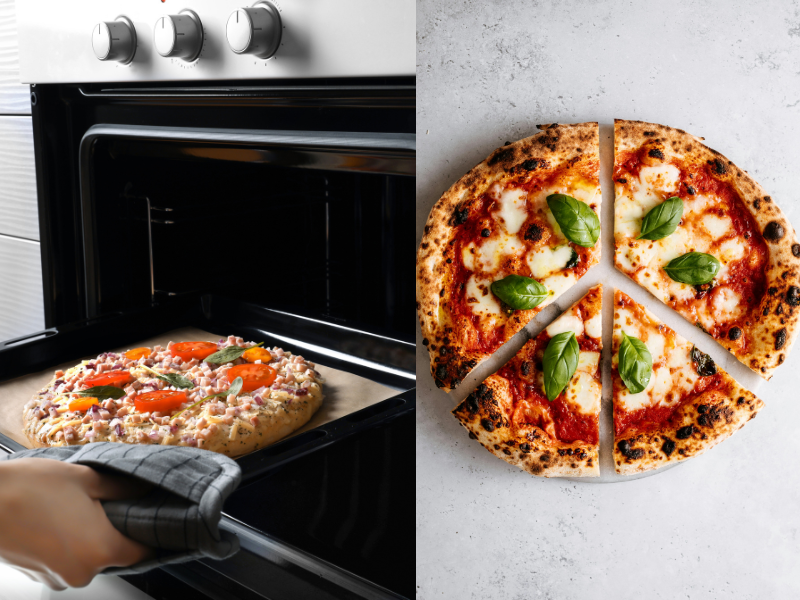
Reheating leftover pizza the right way makes it both safe to eat and delicious. The goal is actually to restore that crispness in the crust while allowing the melted cheese to get distributed into it without getting too dry.
Here are the best ways to reheat pizza safely:
Oven method (crispiest performance):
190°C (375°F) oven.
Place the pizza slices on foil or on a baking tray.
Heat for 8-10 minutes or until the cheese is melted and the crust is crunchy.
here you can explore —> [Oven]
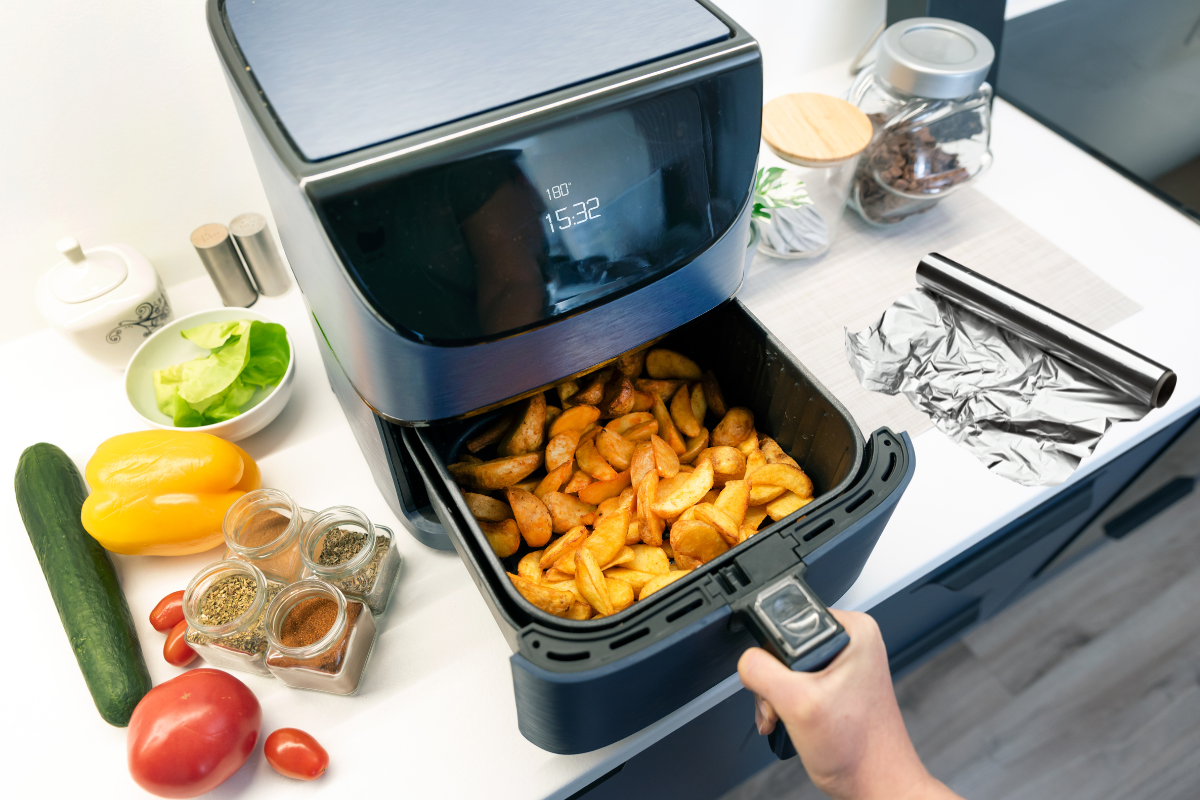
Air fryer method (quick and crunchy):
170°C (340°F) air fryer preheated.
Place 1-2 slices in the basket.
Reheat for 3-4 minutes.
here you can explore —>[Air fryer]
Pan method (for soft cheese with a crispy crust):
Heat a nonstick pan on a low flame.
Place the pizza slice and heat for two minutes.
Cover with a lid for 1-2 minutes to melt the cheese evenly.
Avoid microwaving pizza, as this usually makes the pizza base soggy and rubbery. Use it only if you have no option left.
6. Health Risks of Eating Old Pizza
Old pizza usually remains in the fridge too long, during which time it is ideal for growing bacteria that could poison food. Just because it seems fine does not mean invisible bacteria have not multiplied and will not cause health problems.
Common symptoms include stomach pain, vomiting, nausea, and diarrhoea.
If you feel unwell after having that leftover pizza, keep drinking plenty of fluids and consider medical advice if symptoms persist.
7. Healthy tips for Pizza lovers
- Pizza can be a healthy meal, especially if you make wise choices. Instead of giving it up altogether, try some healthy twists.
- Whole wheat or multigrain crust will give you added fibre.
- Try low-fat cheese or only sprinkle on a little mozzarella.
- A whole pile of nutrition is available in veggies like spinach, onion, mushroom, and peppers.
- Stay away from processed meats like pepperoni and sausage.
- Spread some antioxidant-rich homemade tomato sauce.
- A salad or soup can round out your pizza meal for a healthy balance.
- Be a little healthier with these options, and your guilty pleasures can remain just that.
A small list converts really well
Last Thoughts
Shelf life: how long does it stay good in the refrigerator, and what ways can it be heated? Pizza is good for up to 4 days in the fridge and can be frozen for about 2 months. For flavour- and texture-preserving reheating, the best methods are the oven, air fryer, or pan.
Safe food, good eating. For even greater health and enjoyment, one makes sure that one carries good storage and reheating of leftover pizza. This is how one consumes the pizza, like it’s fresh from the oven.
FAQs
Better not. Once past 4 days, bacteria might have already begun multiplying on it, even though they don’t easily show themselves.
No, 2 hours is the maximum time for pizza to be left unrefrigerated.
It is better to do less. The more times you heat, the greater the risk for bacteria to grow, and the more poor is the taste for it.
This is best done by throwing them in the oven or the air fryer, producing heavenly molten cheese with an appliance crisp crust.
No, you can only freeze pizza that has not been reheated. After reheating, it must be eaten immediately.
It does slightly. Vegetarian pizzas can stay fresh for about 4 days, while meat pizzas are safe for about 3 days













Leave a Reply