

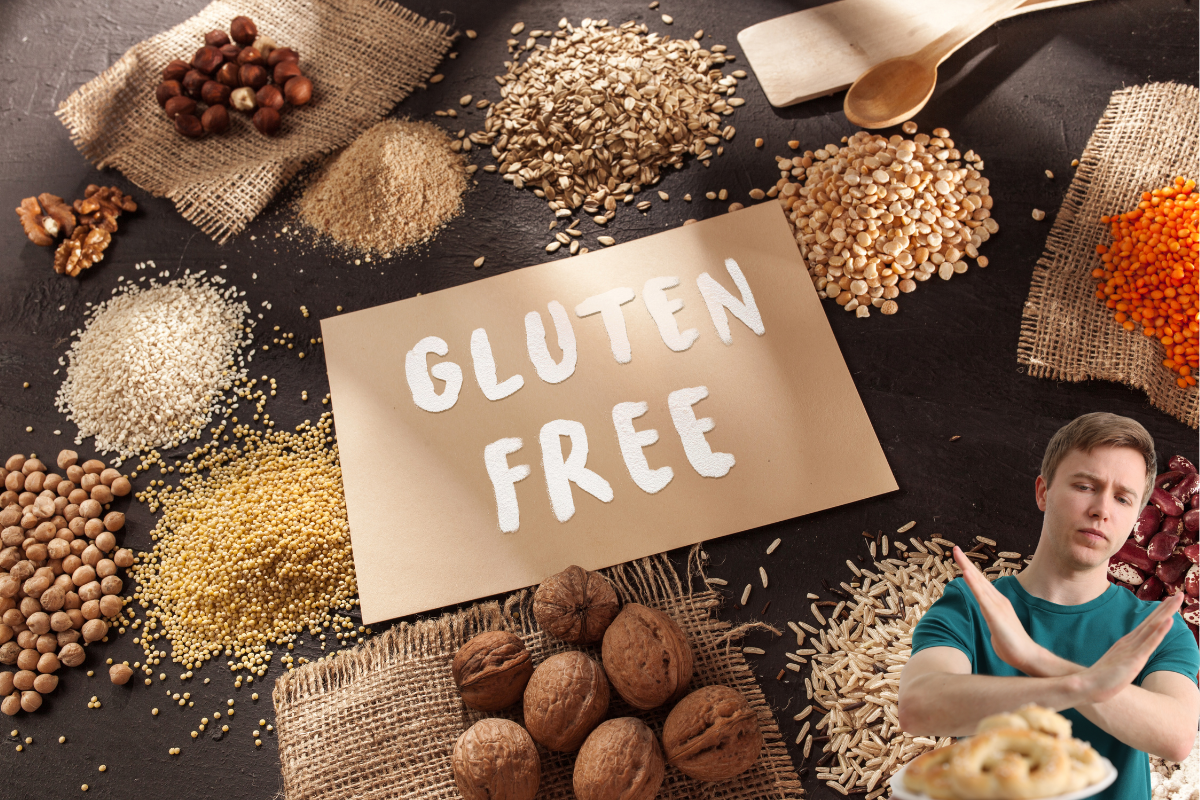
Gluten free snacks have become a popular choice not just for people with gluten intolerance or coeliac disease but also for anyone who wants lighter, cleaner and less inflammatory food options. In today’s lifestyle, where working hours are long and eating patterns are irregular, snacking becomes a big part of daily diet. Choosing the right snacks can keep your energy stable, improve digestion and support overall wellness. This guide will help you understand what gluten free snacks are, why they matter, and which options are best for your taste, convenience and health goals.
What ‘Gluten Free’ Really Means
Gluten is a protein found in wheat, barley and rye. Many packaged foods, baked goods, snacks and even sauces contain hidden gluten. When your body does not tolerate gluten well, it may cause bloating, tiredness, brain fog, acne, stomach pain or slow digestion. For people with coeliac disease, avoiding gluten is medically necessary because their immune system reacts strongly to it. But even if you do not have any medical condition, choosing gluten free snacks can help reduce inflammation and support better digestion.
A gluten free snack simply means a snack made without any ingredients that contain gluten. Examples include fruits, nuts, gluten free grains and naturally gluten free packaged options. The important part is to choose snacks that are clean, minimally processed and truly gluten-free.
Why Gluten-Free Snacks Are Becoming Popular
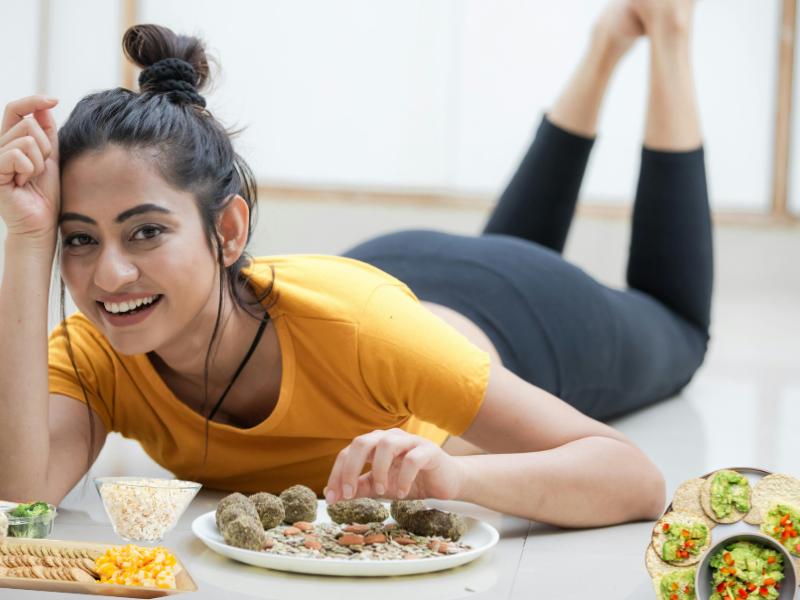
People are more aware today of how food affects their energy levels and mental clarity. Many feel lighter and less bloated when they reduce gluten. It also supports weight management because gluten free snacks are usually lower in refined carbs. Another reason for their popularity is the rise of food allergies and lifestyle changes. Busy routines push people to look for healthier ready-to-eat snacks that do not lead to sugar crashes or digestive discomfort.
Choosing gluten free snacks can also improve skin health, reduce gas and acidity, and support a more balanced gut. Many athletes and fitness enthusiasts include gluten free options during training and meal planning to stay energetic for longer.
Common Myths About Gluten-Free Snacks
There are many myths around gluten free eating. One common myth is that gluten free snacks are tasteless. This is not true. Today, there are hundreds of delicious options, from homemade snacks like chilla and roasted makhana to store-bought choices like gluten free chips, protein bars and millet crackers.
Another myth is that gluten free snacks are only for people with medical issues. In reality, anyone can enjoy them to improve digestion and reduce heaviness. Some people also believe gluten free snacks are always expensive. While certain packaged items can cost more, many Indian everyday foods like poha, dosa, fruits, peanuts and chana are naturally gluten free and budget-friendly.
Benefits of Adding Gluten-Free Snacks to Your Daily Routine
Gluten free snacks can help you stabilise your energy levels throughout the day. When you replace refined flour snacks with healthier options, you feel more active, less sleepy and more focused. These snacks also support gut health because they are usually made with clean ingredients that digest easily.
Another benefit is reduced bloating. Many people experience bloating after eating wheat-based snacks like biscuits, pastries or bread-based items. Switching to gluten free alternatives can help lighten the digestive load. It also helps in weight control as you avoid unnecessary empty calories.
From a fitness point of view, gluten free snacks support nutrient absorption, reduce acidity and help recovery if you work out regularly. They also prevent sugar crashes, which keep your mood balanced during busy days.
Natural Gluten-Free Grains You Can Use for Snacking
India has a rich variety of naturally gluten free grains. Using them can help you prepare filling and nutritious snacks at home. Some common grains include rice, poha, jowar, bajra, nachni or ragi, makhana, corn, rajgira and quinoa. These grains provide fibre, minerals and steady energy.
Poha is light and great for quick snacks. Jowar and bajra make excellent rotis, chips and baked snacks. Ragi supports bone health and is great for laddoos or roasted snacks. Makhana is one of the best low-calorie, gluten-free snacks that you can roast and flavour easily. Rajgira laddoos or chikki are healthy sweet options that are naturally gluten-free.
Homemade Gluten-Free Snack Ideas
Homemade snacks give you full control over ingredients. Here are easy and tasty ideas you can prepare without much time or effort.
Poha chivda with peanuts
light, crunchy and flavourful snack that is perfect for evenings. Add roasted peanuts, curry leaves and mild spices to make it healthy and filling.
Roasted makhana
Makhana is a nutrient-rich and low-calorie option. Roast it in ghee or olive oil and add a little salt or peri-peri seasoning.
Ragi ladoo
These are energy boosting and perfect for mid-morning hunger. Ragi gives calcium and fibre, making it a great gluten free ingredient.
Corn chaat
Boiled corn mixed with lime, salt, chilli and coriander makes a refreshing and filling snack.
Fruit and nut bowl
Combine seasonal fruits with almonds, walnuts and seeds for a natural, wholesome snack.
Dosa or uttapam
Rice- and dal-based dosa is naturally gluten free and can be made quickly for an evening or breakfast-style snack.
Sweet potato cubes
Bake or air fry sweet potato cubes for a delicious and nutritious snack that gives slow and steady energy.
Chilla made from besan
Besan is another naturally gluten free ingredient. Make a savoury chilli with vegetables for a high-protein option.
Peanut chikki
Pure peanut and jaggery bring it down in the line of simple, energy-charged snacks.
Rajgira laddoo or rajgira chikki
Loaded with minerals, it’s a perfect sweet treat at times of craving.
Store-Bought Gluten-Free Snacks You Can Try
On busier days, having some kind of ready-to-eat snacks keeps you on track. Many brands nowadays offer gluten-free crackers, millet chips, and protein bars. Millet-based snacks like jowar puffs, ragi chips, and bajra crisps would be great options. You could also check out the gluten-free khakhra made with jowar or bajra.
Protein bars made with nuts, seeds, and dates are mostly gluten-free, but just to be sure, check for hidden glues on the label. Extremely popular offerings are rice cakes, popped lotus seeds, and quinoa chips. If you like sweet snacks, pick the gluten free granola or dark chocolate with nuts.
Look for words in the ingredients such as wheat, barley, rye, malt extract, or any flavouring that might contain gluten. Genuine gluten-free products will mention ‘gluten-free’ right on the package.
How to Go About Setting a Gluten-Free Snack Routine
In the morning, keep a couple of easy snacks ready. For instance, roasted chana, fruit bowls, or makhana can be prepared well in advance. Carry a small snack box to work or college to avoid unhealthy options made with wheat, like biscuits or bakery snacks.
Base your snacks on your own hunger pattern. Their mid-morning snacks should be light and refreshing items like fruits, nuts, or poha, whereas evening snacks could be more filling with dosa, chilla, and sweet potato. In that case, go for high-protein options like besan chilla or protein bars.
Ensure adequate water intake during the day, as it aids digestion. Keep some fibre-rich, gluten-free snacks like corn, peanuts, or ragi for overall gut health.
Lifestyle Tips for Staying Consistently Gluten-Free

Introduce minor modifications instead of going cold turkey. One by one, replace wheat-centric snacks with gluten-free alternatives. Do not overindulge in gluten-free packaged foods since some contain much fat or sugar. Whole foods should be your major concern.
Keep a checklist of what not to pick. Many healthy-looking items might carry wheat as stabilisers or flavourings. Cook very simple recipes of gluten-free foods at home a couple of times a week so it becomes an ingrained habit.
If you have others at home who consume wheat, you can still manage your gluten-free regimen by having your own storage jars, using separate spoons, and cooking snacks in little batches. Gradually, more could join you in eating those snacks.
Conclusion
Gluten-free snacks are a new-age snack that is relatively balanced and keeps a person energised and light throughout the day. Whether you want to work on your digestion and bloating, control your weight, or make healthier choices, gluten-free snacking will fit into all lifestyles. With so many options available in the natural, homemade, and ready-to-eat segments, delicious and healthy snacking will never be a compromise regarding taste. Just begin with what you can do, stick to it, and feel clean on the inside.













admin
accept healthy talk only..