

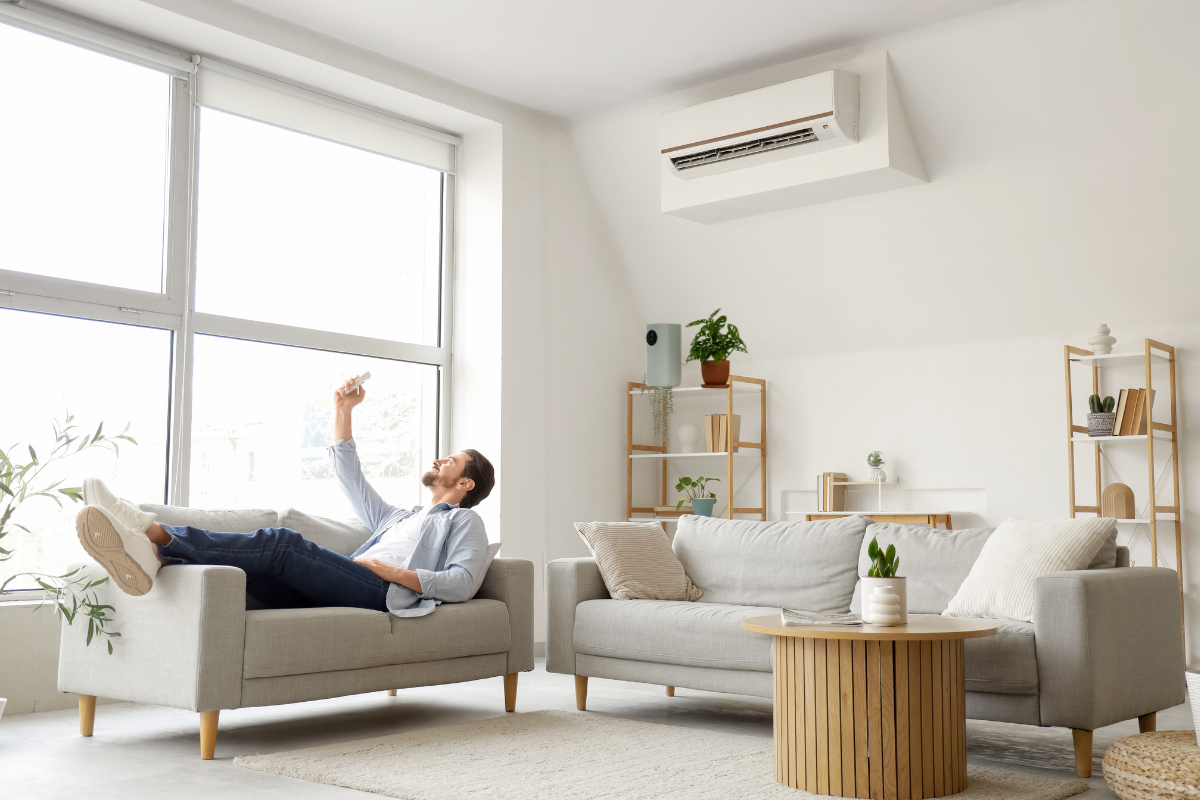
Pollution is rising, and most of us are spending a long time indoors; thus, rarely does indoor air exhibit purity over outdoor air. Dust, smoke, cleaning sprays, and lack of proper ventilation are among the many hidden culprits that show their ugly faces in degrading indoor air quality. Well, no heavy machines need to be bought to breathe fresh air anymore. You can, instead, naturalise air by smart arrangements of home, habits, and simple lifestyle changes.
Breathe Easy: Nature’s Way to Clean Air
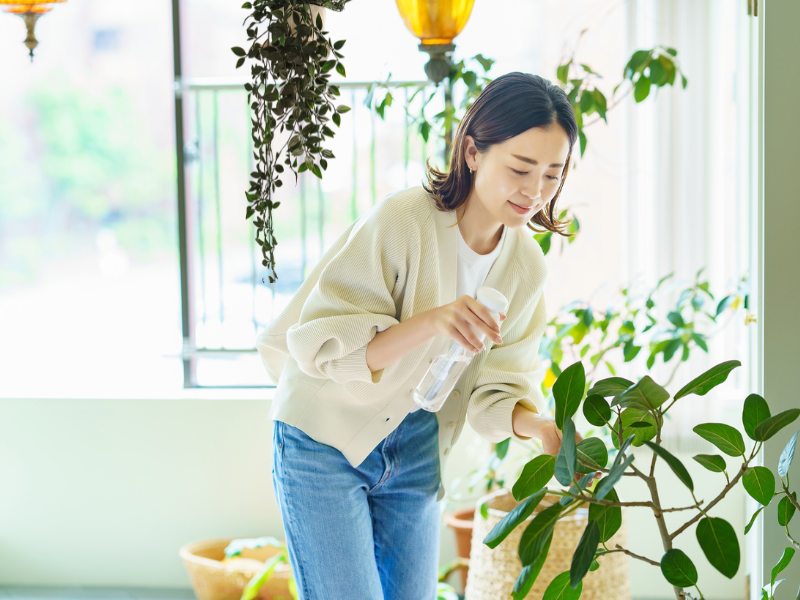
Nature actually has the finest tools to purify air around us. House plants arise as natural air filters, detoxing air and providing oxygen. Some of the top air-purifying plants include Areca Palm, Peace Lily, Snake Plant, Spider Plant, and Aloe Vera. They bring freshness, balance the indoor humidity, and absorb carbon dioxide.
Also, activated charcoal stands out for being another natural purifier. Place small bowls of charcoal in corners or near windows to absorb odors and harmful gases. Himalayan salt lamps also release negative ions, thus neutralizing pollutants and making the air lighter and cleaner.
Hidden Mistakes that Pollute Your Home
Many unintentional activities by the average person can cause indoor pollution. Such activities as using a plethora of artificial fragrance-makers, scented candle-burning, and chemical cleaning can usually liberate harmful VOCs (volatile organic compounds) into the air. Likewise, the incessant cooking without proper ventilation, smoking indoors, and leaving garbage exposed without a lid pollute indoor air. Forgotten are the fans which need cleaning and the air filters that should be replaced because by keeping dust circulating, they aggravate air pollution.
To counter this, consider natural cleaners like vinegar, baking soda, lemon juice, etc. Always use the kitchen exhaust fan while cooking, and make it mandatory to open a window at least once a day for the fresh-air circulation of the house. Avoid using incense sticks or aerosol cans frequently. A small change can make a huge difference in the feel of air inside your home.
Designing Space for Freshness and Free Flow
By designing or arranging your house in one way or another, you can ideally determine how air is moving in it. Use light color interiors; keep open areas that reflect light away and therefore diminish dampness; keep windows on opposite walls open for cross draughts; consider cotton or linen curtains instead of heavy drapes so that the air moves freely.
Compounding too much furniture, especially near windows or adjoining doors will only impede natural air to flow. Optimize air movement by placing plants conspicuously in sunlight-giving spots. Instead, consider using bamboo matting or wooden flooring to cut down on indoor toxicants. Natural materials breathe better, making your home appear much livelier.
Old Home? Here’s What Can Be Done to Regain Its Air Quality
Living in an old house does not necessarily require major renovations. Sometimes, actual fixes could just mean moving the furniture, deep cleaning, or developing new patterns of living. Check for clutter, especially anything old that might collect dust or mold. Diligently clean walls, ceilings, and other surfaces, including fans, and if you can afford it, go the extra mile and get new curtains and mattresses, which might harbor allergens.
Ensure to fix leaking pipes or damp areas to reduce the chances of mold. If you’re going to paint, use eco-friendly paints that are low in chemicals. Old homes usually have tiny or blocked windows, so make sure they now open as they should. Occasional windows with plant decor and sunlight-friendly curtains, along with a little cleanliness, can convert even old houses into fresh and airy abodes.
Everyday Habits for a Fresh Home
Cleaning air naturally is much more than treating substances that contribute to pollution; it is a way of life reinforced through habit. First, shoes should be left at the door to stop dust and bacteria from coming in. Instead, natural room fresheners containing lemon, cinnamon, or essential oils can be employed. Dusting should be scheduled as part of daily chores, mainly in high-traffic areas like tables, doors, and electronics.
Further, occasionally, water can be boiled with cloves or eucalyptus leaves to refresh the air. Elect to groom pets and keep their areas clean to reduce hair and dander build-up. Keep the windows open for 15 minutes in the mornings and evenings to keep stale air out and fresh air in. Eventually, from these habits, an entire lifestyle in support of smooth breathing would gradually form.
Why Clean Air Means a Happier You
Clean air means more than just a pleasant smell at home. It improves mood, overrides fatigue, and induces restful sleep. Clean air promotes healthier lungs, sharper focus, and even glowing skin. A clean, airy house surrounded by greens sends positivity and positive energy into the person’s mind.
People usually do not perceive how much the environment affects mental health. Breathing fresh air that is rich in oxygen keeps your mind calm and clear. Clean air also minimizes the chance of facing allergies, headaches, and respiratory problems. Living clean and airy is like treating one’s body with natural therapy every day.
Make A Lifestyle For Clean Air And Hygiene
If you really wish to keep fresh air, make it part of your lifestyle. Rather than considering hygiene as a chore, turn it into a habit. This means cleaning the corner of your home every week, washing bed linens a lot, and cleaning under the furniture for dust.
Dry your clothes properly before storing them to avoid a damp smell. Establish a personal corner with plants, sunlight, and minimal clutter that is entirely your own, where you can relax and meditate. Living in such an environment will teach your mind to appreciate cleanliness and a peaceful existence. It won’t take long for you to start noticing the freshness, which will keep you motivated to maintain it. The clean air is healthy, and it is the basis for a good mood, positive-thinking, and commuting.
Conclusion
So, one does not need to buy expensive purifiers for good air at home as everything is already provided by nature itself-plants, sunlight, fresh air, and good habits. Small errors need to be rectified first, then the space has to be designed to flow well and needs to be kept clean on a daily basis. It does not matter if it is a new or an old house; all comes down to regular upkeep and mindful choices. When your house breathes fresh, so do you. Air pure and clean transforms even the smallest spaces into healthy, happy, and healing environments.













Leave a Reply