


Rice is one of the significant nutrients. One of the most commonly consumed staple foods across the world, and in most cultures, it forms the base of the meals. As a matter of fact, that white rice was historically consumed, giving quick energy.But it is devoid of some nutritional components owing to the removal of bran and germ.
Here is the entire guide that you should need to know that about to cook perfect brown rice every time and enjoy its maximum benefits.
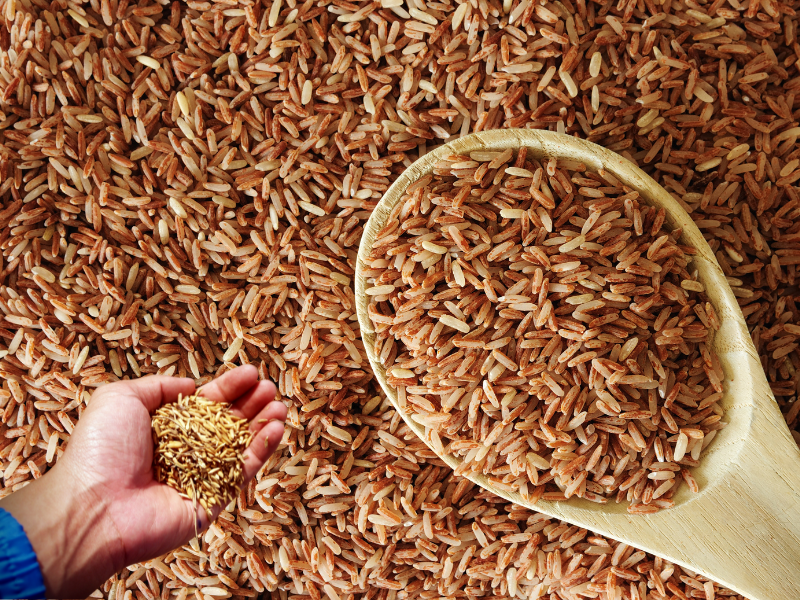
Benefits of Brown Rice
As I researched, I found that brown rice has emerged recently on the market as a better, healthier option for many health-conscious people, as it has a higher fibre content and vitamins and minerals. Another key point is that brown rice is not only healthy but also easily replaced with white rice in almost all daily meals. In fact, it fits well into a variety of dishes without much adjustment. However, some people who do not have enough knowledge of cooking may prepare it incorrectly and as a result end up perceiving it as difficult or unappetising. Therefore, this blog is especially helpful for beginners in cooking who have little or no experience and want clear guidance.
Comparatively with other fast food or unhealthy food, the brown rice is regarded as the best form of nutrition. It is rich in fibres and nutrients that are lacking in white rice. Unlike white rice that loses most of its fibre during processing, brown rice retains nutritious bran and germ, which are beneficial for digestion, heart health, and control of blood sugar.
- It improves digestion: High fibrous material nourishes the bowel contents for easy movement.
- Heart health support: That reduces cholesterol and blood sugar.
- It sustains energy: It provides slow-releasing carbohydrates to give energy for a long period of time.
- Weight management because it keeps an individual fuller longer since they are slowing down as long as they are not overeating.
Additionally, brown rice trades off white rice patterns, is a health-enhancing switch, and is easy to incorporate into daily meals.
Step-By-Step Procedure for Cooking Brown Rice
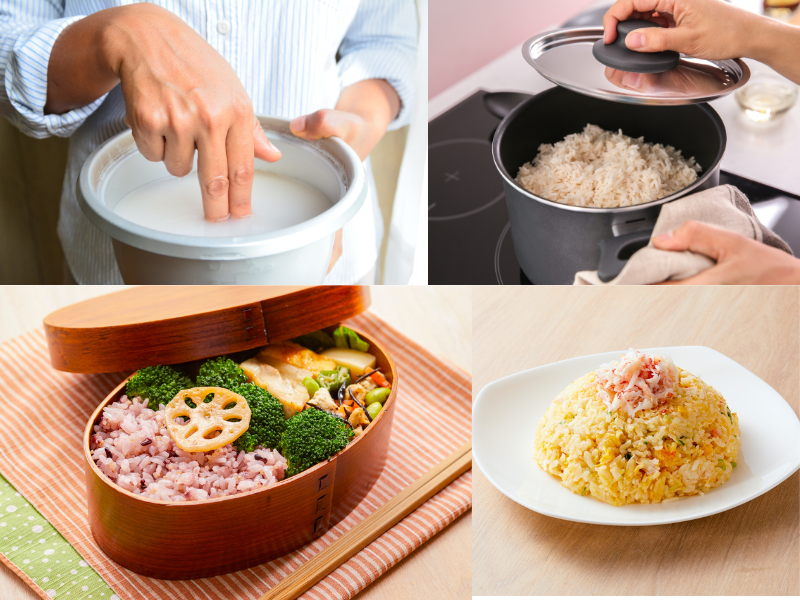
1. Measure and rinse:
The most basic requirement is to measure the rice required. Generally, 1 cup of uncooked brown rice at 1 cup prepares 2 – 3 servings. At last, rinse the rice under cold running water to clear off excessive starch and dirt that would otherwise stick and cause it to become mushy.
2. Choicest Cooking Methods:
A Stovetop Cook:
- Pour 1 cup of brown rice into a pot and add 2 ½ cups of water (or broth for flavour).
- Bring to a boil; reduce heat to low, cover, and simmer for 40–45 minutes.
- Turn off the heat and let it sit covered for 10 minutes.
- Serve after fluffing with a fork.
The Rice Cooker Method:
- Rinse the rice and add water according to your rice cooker instructions.
- Switch on the rice cooker, and it will go on keep-warm mode after the cooking cycle is achieved.
- Rest for around 10 minutes before serving.
Instant Pot/Pressure Cooker Method:
- 1 cup rice, water 1 ¼ cups.
- Seal and place under high pressure for 20–22 minutes.
- Let it naturally release for 10 minutes, fluff.
Best Time to Include Brown Rice in Your Diet
It will benefit your health the most when taken at different times during the day.
- Morning: Mix with yoghurt, fruits, or nuts for energy.
- Lunch: Sustains energy longer and fullness.
- Dinner: Good in moderation, as it helps in digesting and controlling blood sugar.
- Pre-Workout: Provides slow-release energy 1-2 hours before physical activity.
- After Workout: Mixed with a protein source, it helps muscle repair.
Who can benefit from consuming brown rice?
- Brown rice can be consumed by people of all ages.
- Children and youngsters: Good growth, energy development, and fibre intake.
- Adults: Poises digestion, weight control, and sustained energy levels.
- Elderly People: Cares for digestive health, blood sugar control, and heart health.
- Those with special health goals, such as weight control, healthy digestion, or blood sugar control, will benefit from this food grain.
Possible Side Effects and Safety Considerations
Healthy brown rice should be considered with the following features:
• Arsenic Content: Rinse thoroughly before ingestion and moderate intake.
• Digestive Sensitivity: High fibre is generally the cause of flatus. It should be introduced little by little.
• Portion Control: Overeating could lead to excess caloric intake.
• Related to Medical Conditions: Consult a healthcare professional while under low-carb or digestive restriction.
The following are some favourite recipes made with brown rice:
1. Brown rice stir-fried with vegetables: fry some garlic together with some vegetables, add very little rice and soy sauce, and stir-fry for about 3 to 4 minutes. Serve hot.
2. Brown rice salad with chickpeas: mix in chickpeas, cucumber, tomato, onion, lemon juice, olive oil, salt, pepper, and whatever herb you like; toss well. Chill for 10 to 15 minutes and serve.
3. Pulao of brown rice: cooked brown rice with onions, green peas, carrots, cumin seeds, turmeric and masala
Method: Heat 2 teaspoons of oil in a pan and add 1-2 teaspoons of cumin and 2 chopped onions. sallow fry until transparent than add 1/3-1/2 cup chopped carrots and 1 cup green peas, and let it cook for 1-2 minutes. Now add turmeric and garam masala in the rice, and cook for 2-3 minutes with water after covering it. Serve with curry.
4. Brown Rice & Lentil Soup
Ingredients: cooked brown rice, lentils, carrots, celery, onion, garlic, broth, and herbs.
Method: As per i do first sallow fry the garlic and onion, add vegetables, lentils, and broth after this cook until lentils are softened in 2nd hour than after addition and finish with the rice, and season.
5. Brown Rice Breakfast Bowl
Ingredients—cooked brown rice, yoghurt, honey, nuts, seeds, and fruits.
Methods—Mix rice into yoghurt, drizzle honey, and top with fruits, nuts, and seeds.
Tips for Great Brown Rice
- Rinse before cooking to reduce stickiness.
- Tight lid to hold steam in.
- Allow rice to rest following cooking so it has a better texture.
- Add salt or a teaspoon of oil/butter for flavouring.
The Common Mistakes to Avoid
- As i ever do is that too much water results in mushy rice.
- Lifting the lid while cooking, which results in uneven texture.
- Not letting rice sit after it is done cooking.
Final thought
As i illustrated above, brown rice is much more than a healthy substitute for white rice; it is genuinely a grain-packed nutrient that complements any balanced diet. Whether to improve digestion, sustain energy, or simply to prepare a nourishing meal, the possibilities for the recipes grow with expert cooking of brown rice. It’s measured, it’s thought out towards what you’re going to be doing with it, and with a bit of imagination in the form of preparing it for ages and for any meal, it is ready for the track of that very refined staple. Small experiments, flavour straddling, and a touch of indulgence onto what probably is going to be a very long-day payoff for that simple grain ought to be just fine.
FAQs
Yes, absolutely, through soaking for 30 minutes instead of cooking; this reduces cooking time by 5 – 10 minutes.
Add a little more water and leave it steaming for longer off the heat.
Yes, keep it in an airtight container and refrigerate for 4–5 days or freeze for up to 3 months for storage.
Yes, it has more fibre content, magnesium, and antioxidants.
Yes, brown rice is safe and healthy for kids, adults, and older adults too.








Leave a Reply