
Today, food habits and lifestyle are greatly influencing hormonal health. Women in this age of junk food, spicy food, and oily foods often experience changes in body temperature and metabolism. Some of them may experience early periods due to this internal warmness while in others, delayed or irregular periods may be the effect of poor nutrition and stress.
The menstrual cycle is a complex hormonal process regulated by the brain, ovaries, and uterus. It’s not just about bleeding every month; it’s a matter of your hormonal balance.
First, understand the science behind your menstrual cycle before you learn how to make periods faster. The menstrual cycle is much more than the blood shed during periods; it is a rhythm of hormones that the brain, ovaries, and uterus activate.
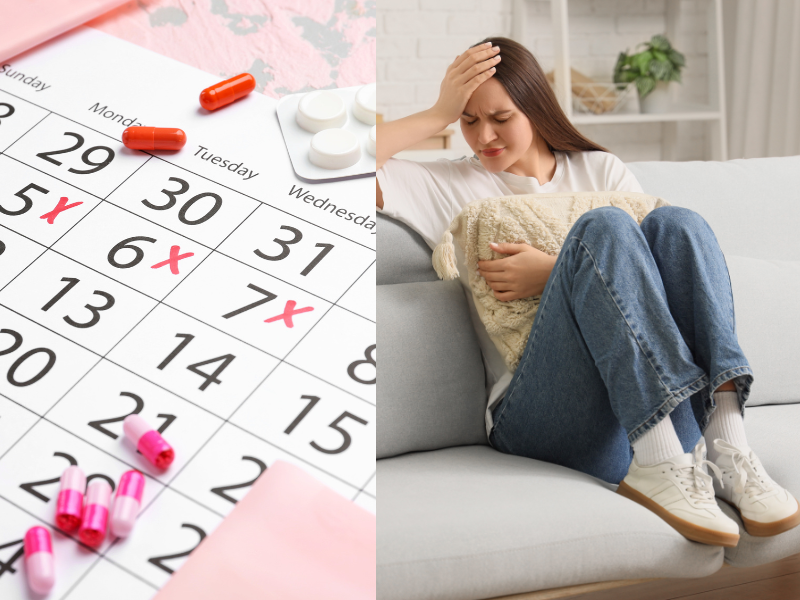
- Cycle Length: The average cycle is 28 days long but varies from 21 days to 35 days between different women.
- Hormones Involved:
Oestrogen causes growth of the lining of the uterus.
Progesterone prepares the body for pregnancy.
FSH (follicle-stimulating hormone) and LH (luteinising hormone) regulate ovulation.
They drop when no fertilisation occurs, and oestrogen and progesterone levels drop thus periods happen.
Hormonal imbalance, stress, food changes, sleep changes, or weight changes are possible side effects leading to a delay in your period.
Causes a Period to be Delayed
So before jumping to unsafe solutions, it is very wise to know why your period is late. Some of these causes are:
- Stress and Anxiety:
Cortisol (the hormone responsible for stress) can be high, which can then suppress reproductive hormones and delay your period. - Underweight or Overweight:
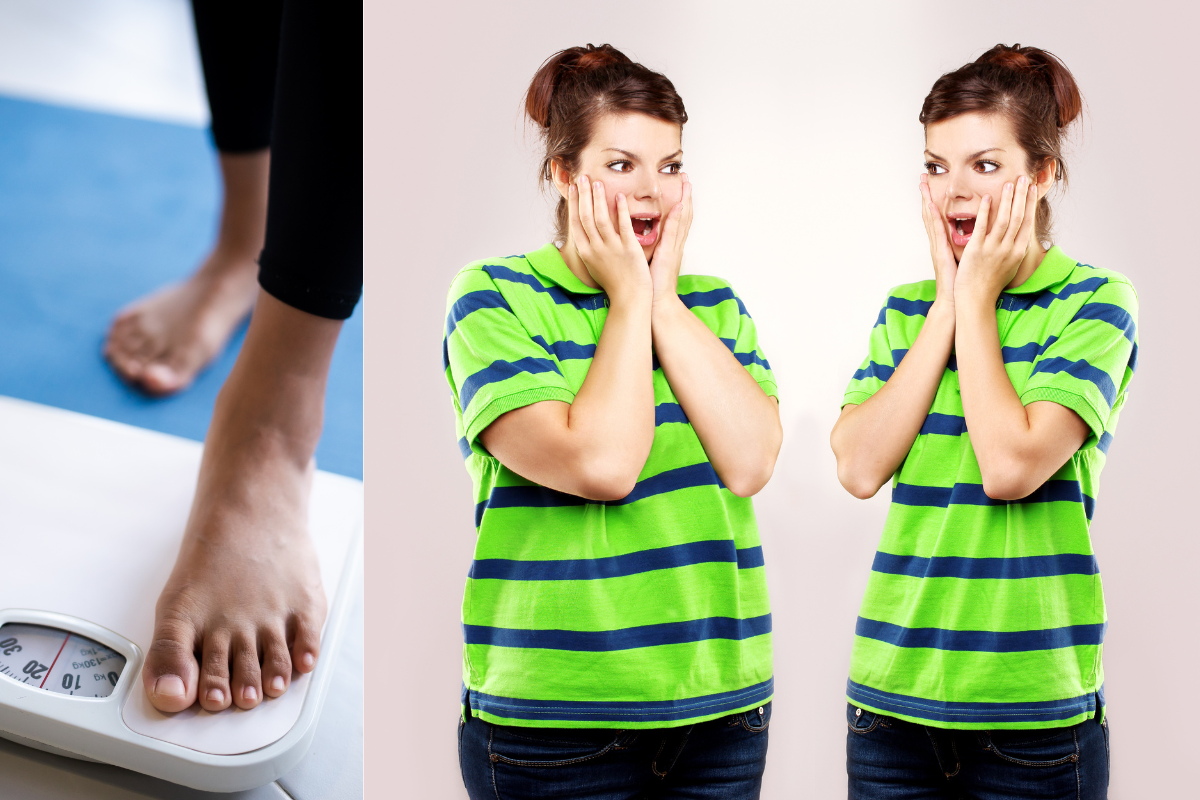
Severe weight loss as well as high levels of body fat change the level of oestrogen in the body and disturb the cycle. - Thyroid Imbalance:
Hyperthyroid or hypothyroid conditions can interfere with ovulation and actual menstruation. - PCOS (Polycystic Ovary Syndrome):
Irregular ovulation due to high androgens results in a delay or failure to have periods. - Lack of Sleep or Too Much Exercise:
Destroys hormonal rhythm and causes, at times, irregularity in menstruation.
Using Contraceptive Pills or Stopping Birth Control:
Not all cases are alike where the body does not change hormonally for a few cycles.
Everybody is Different: Hormones Work Uniquely
No two women have the same cycle. One will be 26 days long, while another will have hers last 35 days — perfectly normal for both.
Some factors responsible for variations in cycles include:
- Genetic and Hereditary Factors:
If your mother or sister has a longer or irregular cycle, chances are you will also have it. - Lifestyle and Diet:
Busy lives with junk food and less sleep can create fluctuations in the hormones. - Age:
Teenagers and perimenopausal women have more irregular cycles due to fluctuating hormones. Hence, in talking about getting one’s period down fast, we should not be engaging in any dubious methods to bring on our periods but rather work to support the body in achieving a balanced hormonal state.
Safe and Natural Ways to Get Periods Quickly
If you are a bit late with your missed period or need to set up your body for a regular cycle, here is a scientifically proven natural way that just might do the job.
- Warm Compress or Hot Water Bath
Heat relaxes the pelvic muscles and increases blood flow towards the uterus.
Use a heating pad for about 20 minutes on your lower abdomen once daily.
Take warm baths with Epsom salt to relieve stress and calm the hormones. - Foods Rich in Vitamin C
Vitamin C increases oestrogen and lessens progesterone so that the hormone-affected uterine wall sloughs off much faster.
Include in your diet: orange, lemon, kiwi, amla, papaya, and bell pepper.
(But vitamin C should not be taken in excess when trying for pregnancy.) - Physical Workouts and Yoga
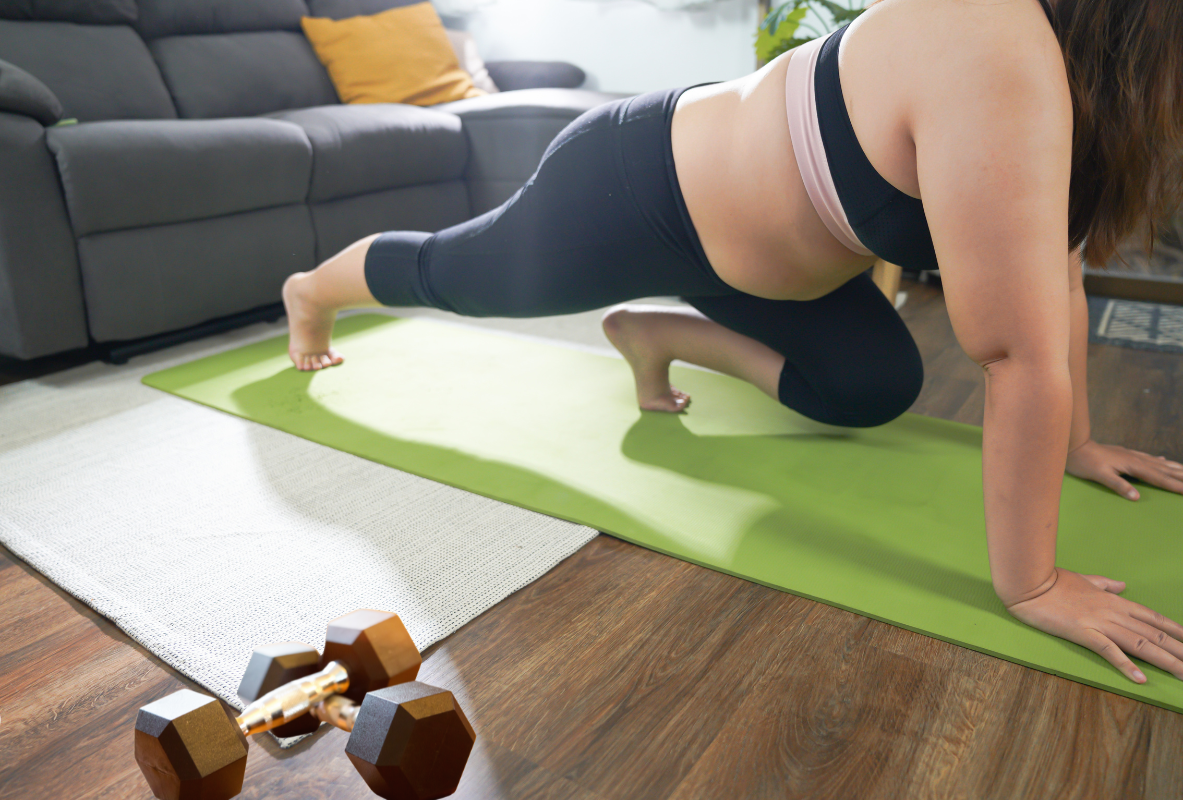
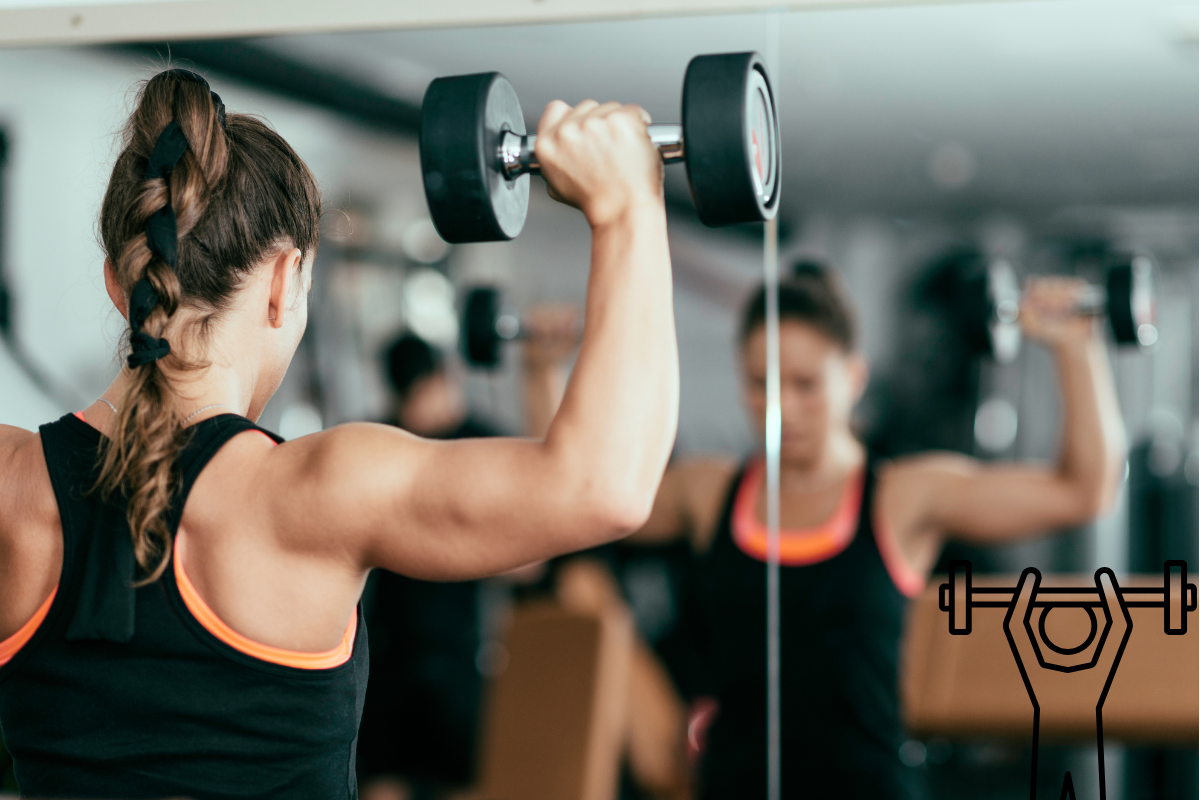
Moderate physical activity helps regulate hormones and the release of endorphins that ease menstrual flow.
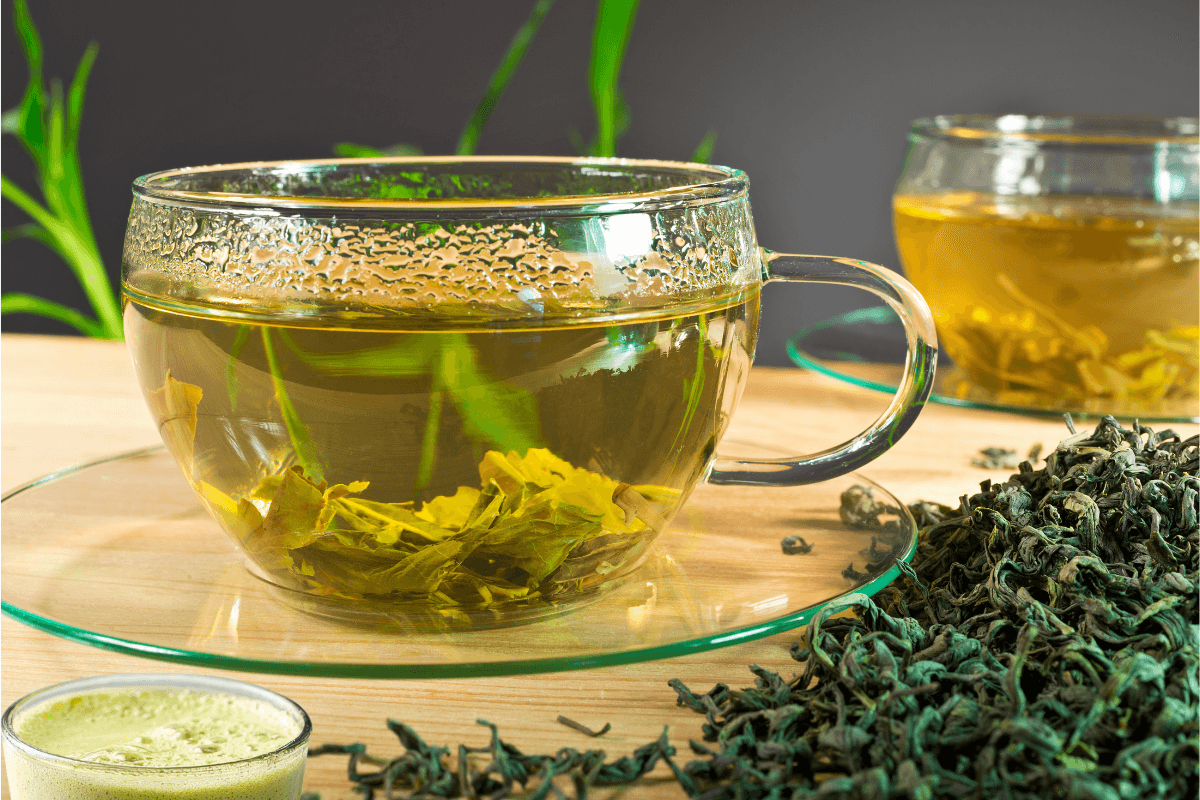
Some yoga postures like Cobra Pose (Bhujangasana), Bow Pose (Dhanurasana), and Bridge Pose (Setu Bandhasana) would help much by stimulating pelvic blood flow. - Herbal Teas – Some herbs really help boost the efficiency of natural hormones:
- Ginger Tea: It increases uterine contractions.
- Parsley Tea: Contains apiol and myristicin, which encourage uterine activity.
- Turmeric Milk: Anti-inflammatory and maintains balance in the hormone system.
- Maintain a Healthy Weight
Body fat produces oestrogen. Too much or too little can delay periods.
Balanced meals focus on whole grains, protein, healthy fats, and fibre. - Reduce Stress Levels
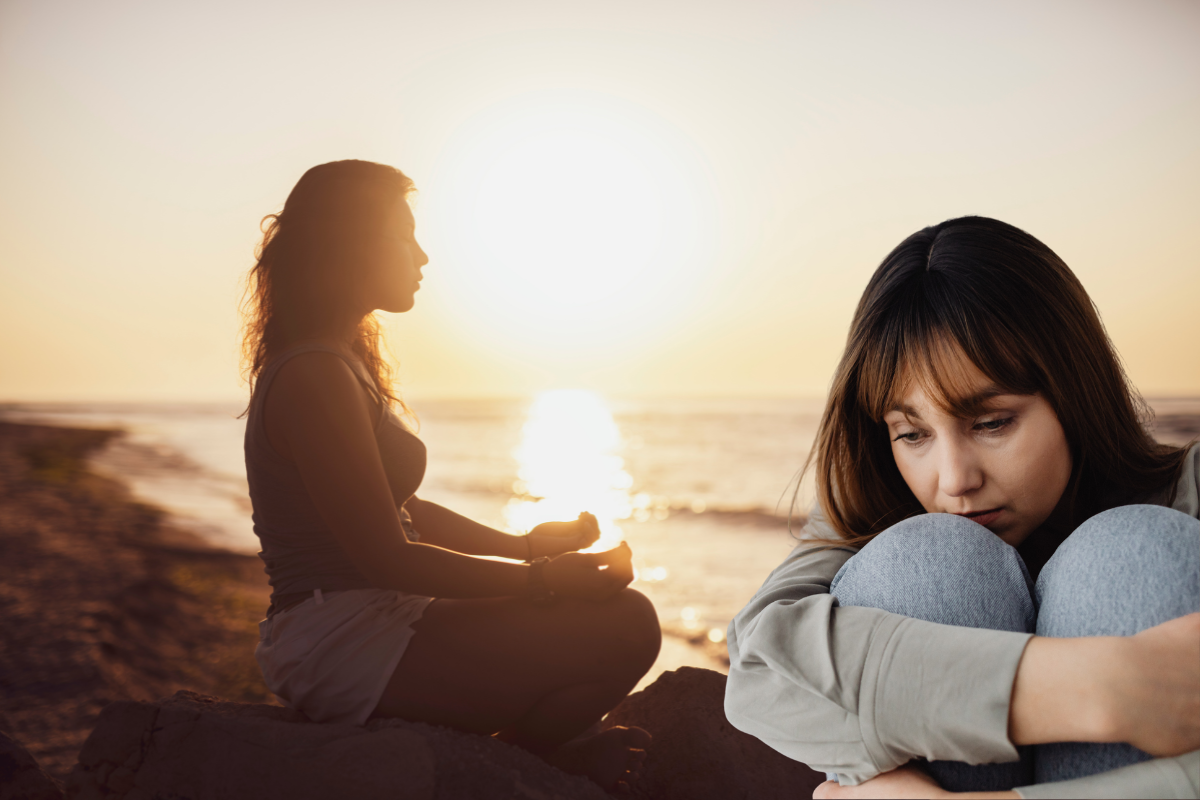
Stress-reducing techniques like meditation, deep breathing, or journaling can reduce cortisol levels to let reproductive hormones normalise. - Use Pill Sparingly
Some use emergency contraceptive pills or hormonal pills to induce periods early. They may work, but these might harm the body through nausea, irregular cycles, and heavy bleeding. Usage of these methods needs to be preceded by a consultation with a doctor.
Foods That Can Help Induce Menstruation Faster
Your diet is an important factor when it comes to hormonal imbalance. Here are some of the foods which are said to aid in naturally inducing menstruation:
| Food Type | Examples | Benefits |
| Vitamin C foods | Oranges, Amla, Kiwi | Increases estrogen levels |
| Iron-rich foods | Spinach, Dates, Beetroot | Replenishes blood after menstruation |
| Heat-producing foods | Papaya, Sesame seeds, Pineapple, Ginger | Promotes uterine contractions |
| Healthy fats | Flax seeds, Walnuts, Avocado | Supports hormone production |
| Hydration foods | Coconut water, Cucumber | Keeps the system detoxed |
Myths versus Facts around Getting Periods Fast
| Myth | Fact |
| Drinking papaya juice alone brings periods overnight | Papaya supports uterine function but doesn’t guarantee instant results |
| Delayed periods mean pregnancy | Delay can also occur due to stress, hormones, or thyroid |
| Taking painkillers can start periods | They only reduce cramps, not trigger menstruation |
| Heavy workouts bring periods early | Excessive exercise can actually delay them due to low body fat |
Menstrual Irregularity Facts
- A study in the Journal of Reproductive Health in 2024 mentions that almost 22-25% of women in the world experience some sort of menstrual irregularity per year.
- 60% of the delayed cycles are due to PCOS and stress.
- The other finding states that BMIs in the range of 18.5 to 24.9 are associated with a more regular menstrual pattern.
- Women doing mindful meditation or yoga at least 4 times a week would benefit from improved hormonal regulation of about 30%.
Care While Trying to Get Periods Early
For someone wanting to induce a period earlier than normal for events, travel, or just convenience, there are precautions to be taken into account:
- No excessive herbs or over-the-counter supplements without a doctor’s recommendation.
- Hormonal pills should not be self-medicated.
- Apps to track their cycles – this helps in recognizing whether the person has any hormonal patterns
- Well hydrated, then rest well.
- If your periods are delayed for more than 45 days, see a gynaecologist.
- Research & Statistics of Menstrual Irregularity Facts
- The Journal of Reproductive Health published a 2024 study that cites nearly 22-25% of women across the globe suffering from irregular periods every year.
- PCOS and stress constitute nearly 60% of all cases of delayed cycle.
- Associated with regular cycles from 18.5 to 24.9 is BMI.
- Women practising mindfulness or yoga 4+ times a week will report 30% better hormonal regulation.
FAQs
Papaya will heat the body by supporting uterine contractions; however, it doesn’t work instantly. Consistency matters.
It is safe only under the supervision of a physician. Hormonal pills, when misused, can cause a disruption of the natural cycle.
Natural and safe teas to take are ginger, parsley, and turmeric.
More intensive or prolonged exercise can lead to a delay in periods, attributable to reduced oestrogen due to poor nutrition.
About 7 days are generally considered normal. If it exceeds this, it should be checked medically.
Final Thoughts
- Fast-tracking your period isn’t just rushing your body into doing something; it’s attuning to your hormonal rhythm and giving it the right natural nutrition.
- With the right foods and striking a healthy balance in lifestyle, coupled with stress management and consistency, your menstrual cycle should move towards being more predictable and healthy.
- Every woman’s body is different, though, so respect your natural flow, listen to your body’s signals, and have medical advice if irregularities persist.



Leave a Reply