

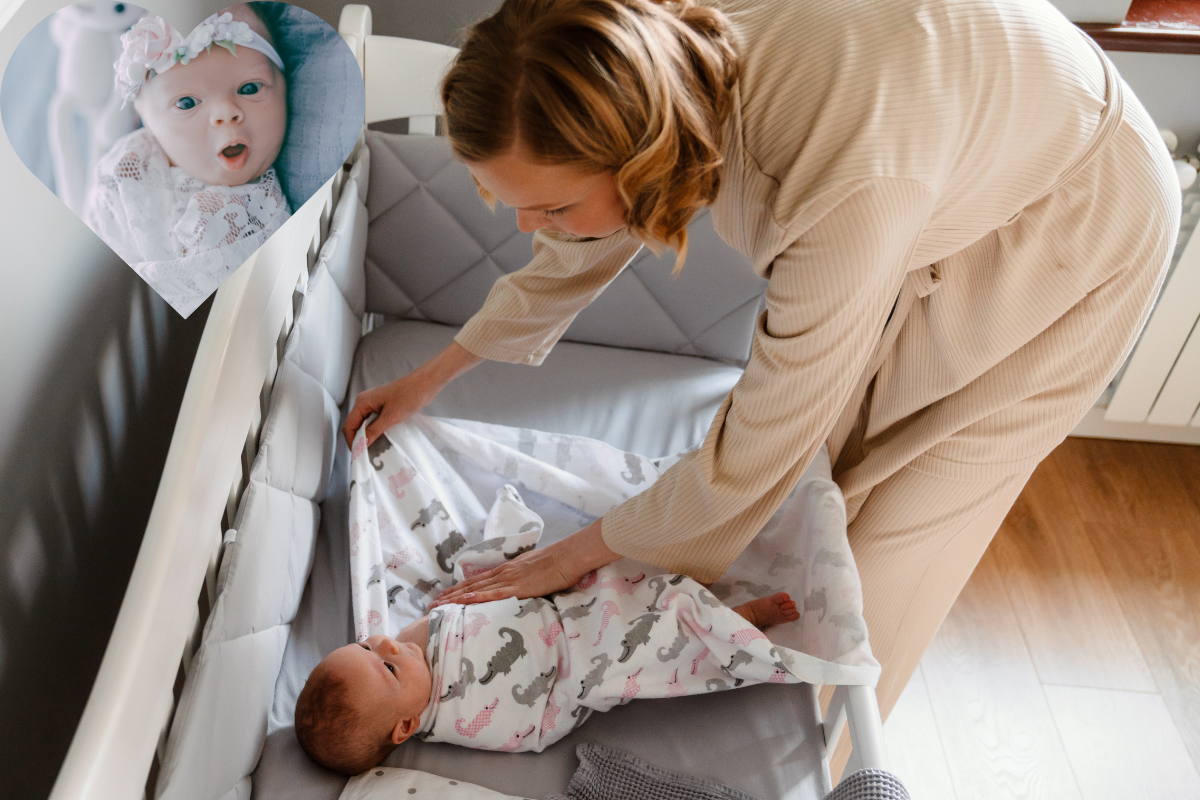
Being a usher into life is a grand event full of enormous joy. However, it also comes with its share of challenges: In particular, how does one go about helping this little creature feel safe, calm, and well-rested? The answer lies in an age-old practice of swaddling held for centuries to be one of the best methods of assuring calm for the little one. So if your curiosity is sparked about how to swaddle the baby in a proper and safe position then this procedure will tell you everything you want to know.
What Is Swaddling?
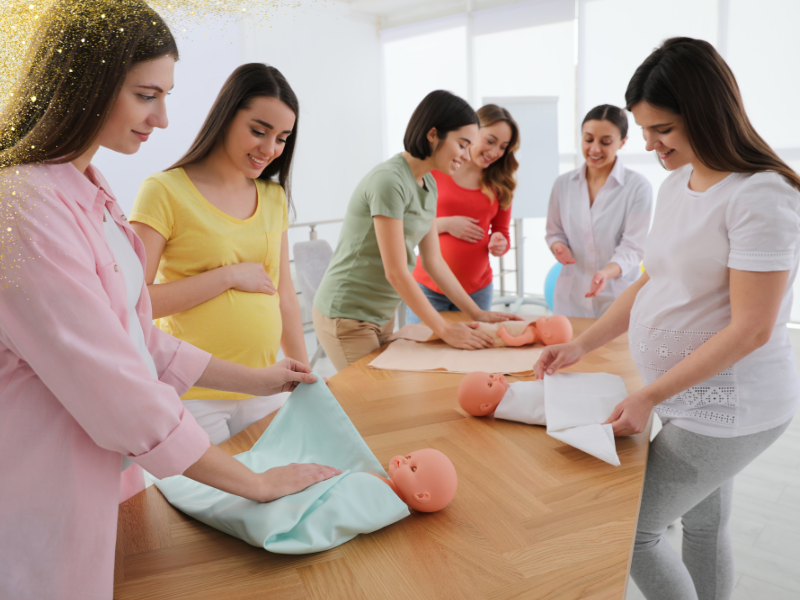
Swaddling is the technique of snugly wrapping your newborn baby in a thin sheet or cloth so that they feel secure, just like being in the womb. This procedure will:
Diminish startle reactions (Moro reflex) which frequently can wake new-borns.
- Facilitate sleeping.
- Warm and comfort.
- Calm an upset baby.
Advantages of Swaddling
Better Sleeping – A properly swaddled baby will sleep longer and deeper into the night.
Less Anxiety – When the baby is tightly swaddled, they feel secure and cannot flap their arms around.
Calms Crying – The womb-like tightness solves most of the baby’s crying problems.
Encourages Back Sleeping – This is the safest sleeping position for newborns.
Quick Tip: Safe sleep practices should be combined with swaddling—always put your baby down on their back in a crib that is free from pillows and stuffed toys.
Step by Step Guidance for swaddle a baby
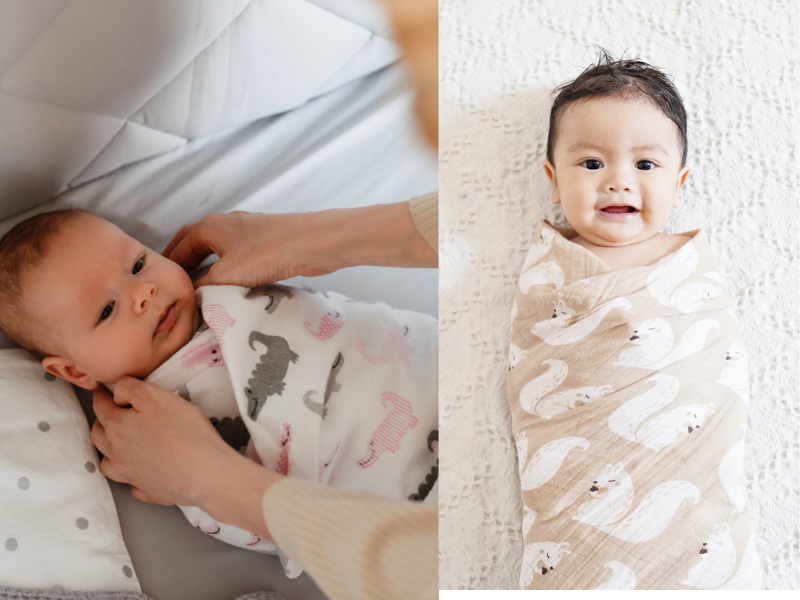
Step 1: Choose thin, light weighted, breathable cloth fabric like muslin
If you’re considering swaddling for your baby, good choices to stay away from thick or heavy fabrics, as they would tend to overheat your baby.
Step 2: Lay the Blanket Flat
Lay the blanket on a flat surface in a diamond position; fold the upper corner down about 6 inches to create a straight edge.
Step 3: Position the Baby on the Blanket
Place the baby on his or her back onto the blanket, so that the folded edge is at neck level or just below the head. Their shoulders should be resting just below the fold.
Step 4: Wrap One Side
Take the left corner of the swaddle and wrap it across the baby’s body, tucking it snugly under the baby’s right arm and back. The left arm should either remain straight or be slightly bent.
Step 5: Now Bring the Bottom Up
Bring the bottom corner of the blanket over the feet and tuck it loosely under the baby’s chin or into the top fold. Do make sure that there is enough room for hip movement. Do make sure that there is enough room for hip movement.
Step 6: Wrap the Other Side
Now tuck the right corner across the body, tucking it under the left side. It should be snug, but not too tight.
Swaddling Safety Tips
- Avoid overheating: Use lightweight fabrics and monitor your baby’s temperature.
- Leave room for hells and legs: Tight swaddling in the hip area can cause dysplasia.
- Always place baby on her back: Do not swaddle and place the baby in a stomach position.
- Stop swaddling at the right time: As soon as the baby begins to roll, most likely at 2-3 months, cease to swaddle to prevent from suffocation.
Alternatives to Traditional Swaddling
If you find the wrapping very challenging, you can try:
Velcro or zip-up swaddle sacks – more convenient and quicker.
Sleep sacks – for babies that have outgrown swaddling, sleep sack is a safer option.
Swaddling Frequently Asked Questions
1. How long can I swaddle my baby at night?
Swaddling can go on during nap time and throughout the evening until the baby starts showing signs of rolling. Always supervise for safety.
2. Are all babies good with swaddling?
Most babies love being swaddled, but a few would prefer to sleep freely. If so, you can attempt half-swaddle by leaving the arms free.
3. What if my baby doesn’t like swaddling?
Every baby is different; if your baby starts resisting, you can try wrapping him less tightly or using a sleep sack.
Conclusion
Though initially intimidating, the art of swaddling quickly becomes second nature after some practice. Swaddling provides comfort to your newborn and facilitates easier slumber, relieving him from hectic adjustment to the outside world. Always remember; safe sleep measures will first need to be followed, second; track baby comfort and stop swaddling right after they begin rolling.
Being an artist of this ancient art will not only calm your darling but also bless you with more peaceful nights—one full win for both parents and babies!











Leave a Reply