


Close your eyes and sleep, it is more than that, good sleep is the root of physical health, mental clarity, and emotional balance. But sleeplessness sometimes comes from the direction, how you sleep and how it will keep you energised the following day.
Like the ancient Indian Vastu Shastra teaches, the position of the head while sleeping can have an impact on overall health, mood, and energy. Modern research is even beginning to investigate the truthfulness of those theories which tend to prove that the orientation of the bed affects performance in sleep, cycles, and even cardiovascular health.
This is the blog where you uncover in which direction we should sleep, why such small changes tend to create greater results, and how science comes together in Vastu to improve sleep.
Why Sleeping Direction Matters
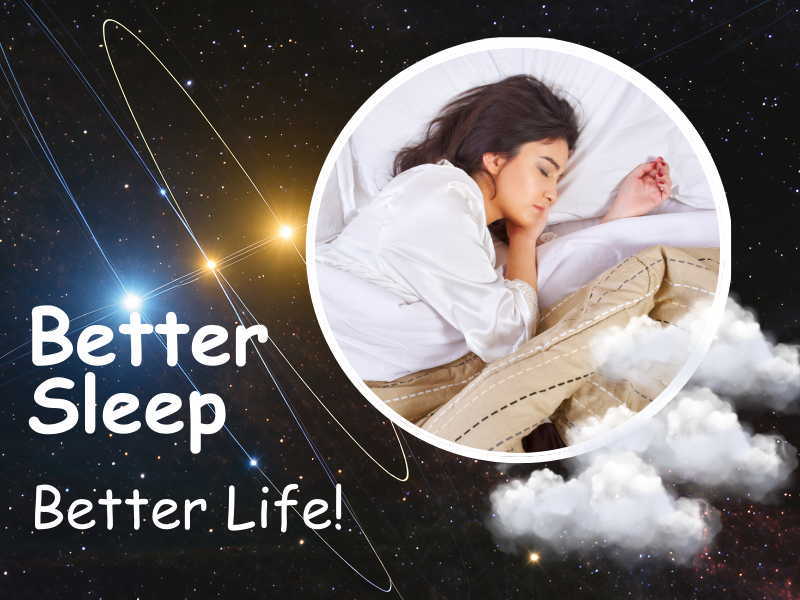
Thus, while one sleeps, the position of the head is said to be against something. Each has its own influence according to the belief systems on the energy flows inside the body, the blood circulation in the body, and the mental state.
This is the observed aspect of Vastu, Earth-magnetic field alignments with the human body. According to Vastu, aligning with these energies gives one restful sleep, stress relief, and vitality.
Quite interestingly, modern studies are exploring how geomagnetic orientation, circadian biology, and environmental factors can influence sleep. Vastu would indicate that there is indeed more than mere tradition to its principles.
Best Sleeping Directions as per Vastu & Science
1. South – The Best Direction
According to Vastu: Sleeping facing south or keeping your head towards the south and feet towards the north is just aligning yourself with the Earth’s magnetic field, which is generally good for health and wellness.
Benefits:
- Enhances blood circulation and heart functioning.
- Relieves anxiety and gives deeper sleep.
- Attracts positive energies and prosperity.
Scientific Reason: The flow of the magnetic field of the Earth is from north to south. Sleeping head-to-south may reduce magnetic interferences during sleep, providing better circulation and relaxation delivery. Some small EEG studies have shown improved delta and alpha wave activities in south-facing sleepers, suggesting deeper rejuvenating sleep.
2. East – For Clear Thinking.
Vastu Belief: This direction is better for having a sharper and increased ability to think; it is east-facing during the first several stages of sleep.
• Benefits:
- Increases Memory and Concentration.
- Functions for Meditation and Introspection.
- Ideal for students and professionals focusing on their work.
Scientific Standpoint: The orientation of your body towards the east will include more light in the pattern of exposure throughout the day, thus synchronising it with your daily rhythms and indirectly supporting circadian health.
3. West Direction – Neutral
Vastu Belief: A head facing west is generally neutral; some texts claim it is associated with fame and respect, but not much comes from that.
Warning: People who have insomnia or are prone to stress might suffer from disturbed sleeping patterns if they sleep this way.
4. North Direction – Avoid At All Times
Vastu Warning: Head facing North while sleeping is a strict no-no.
The antithesis of sleep-associated nightmare:
- Disrupted sleep.
- Emotional tension is thereby increased stress levels and possible health consequences from geomagnetic alteration.
Scientific View: While the evidence is thin, several studies have reported that north-facing sleepers have an association with worse quality of sleep. It is better to avoid sleeping in this direction, if possible.
4. Unlocking the Science behind Vastu

Vastu Shastra is informed by neither superstition nor ignorance but rather systematic efforts at practical observation of different effects of the environment on energies. In sleep direction, for example, it merges cosmic orientation, magnetic influence, and training habit to form a guideline.
Key Scientific Points:
- Circadian and Environmental Effects: Sleep orientation can influence exposure to light and airflow and distance to electronic devices – all factors affecting how melatonin is released and how effectively sleep occurs.
- Psychological Impact: In terms of Vastu, people believe it can reduce anxiety during the pre-sleep state, and as a consequence, the quality of their sleep would indirectly improve.
Latest research - Earth’s Magnetic Field: The effect of aligning with the field on circulatory efficiency and neurological activity would seem worthwhile.
- EEG studies report measurable differences in sleep patterns based on head orientation. South-facing sleepers sometimes exhibit a greater degree of restorative delta or alpha wave activity.
- Surveys show subjective improvements in sleep quality for both south and east sleepers compared to sleeping north.
- Reviews on geomagnetic effects suggest that even minor alignment with the Earth’s magnetic field could affect circadian rhythms, heart rate variability, and oxidative stress, though evidence is mixed and ongoing.
Just Small Changes, Big Results
The smallest shift in room configuration could produce significant gains in sleep using Vastu principles.
- Rotate your bed to align your head to the south or east.
- Organising the room eliminates negative and confusing energy.
- Put the electronic equipment away from the bed to minimise electromagnetic interference.
These changes give evidence to subtle modifications, even if direct magnetic effects are insignificant; however, they transform psychology, behaviour, and the environment. These in concert greatly improved the performance in sleep.
Practical Tips for Better Sleep Orientation
- Solid Wall Bedford against it.
- Support from the headboard decreases mental disturbance.
- No mirrors facing the bed, as reflecting energy will disturb sleep.
- Use soothing colours cosy beige, light blue, or lavender for a peaceful vibe.
- The bedroom has to be cool, well-ventilated, and free from disturbances while one should be resting optimally.
When coupled with the recommended head position, these little tweaks increase the positive effects on sleep and wellbeing.
Integrating Science and Faith
In practical terms, Vastu and modern science go hand in hand. So, though there have not yet been large-scale studies concluding how orientation could alter sleep, the technology of environmental modification, magnetic alignment, and psychological comfort comprises a worthy experiment for this case.
It bears remembering: not superstition. Vastu is a system of bringing dimensionality to small, thoughtful changes in an environment, usually offering measurable returns—physically and mentally.
Final Words
The place where the head is laid to sleep tends to influence one’s energy, health, and mental clarity. According to Vastu Shastra, where some scientific studies also support,
- A south-facing head is good for health and relaxation.
- An east-facing head is best for mental clarity and spiritual growth.
- Head in the west is neutral, while that in the north should be avoided.
Minor things like changing the position of sleeping on a bed, clearance, and managing light in the bedroom would make a huge effect on the quality of the sleep a person gets. Whether you Practice Vastu completely and rigidly or just trying it out as an experimentation process, these measures are low in risk, easy to adopt, and easy to bring the benefits of good energy and peaceful nights.













Leave a Reply