

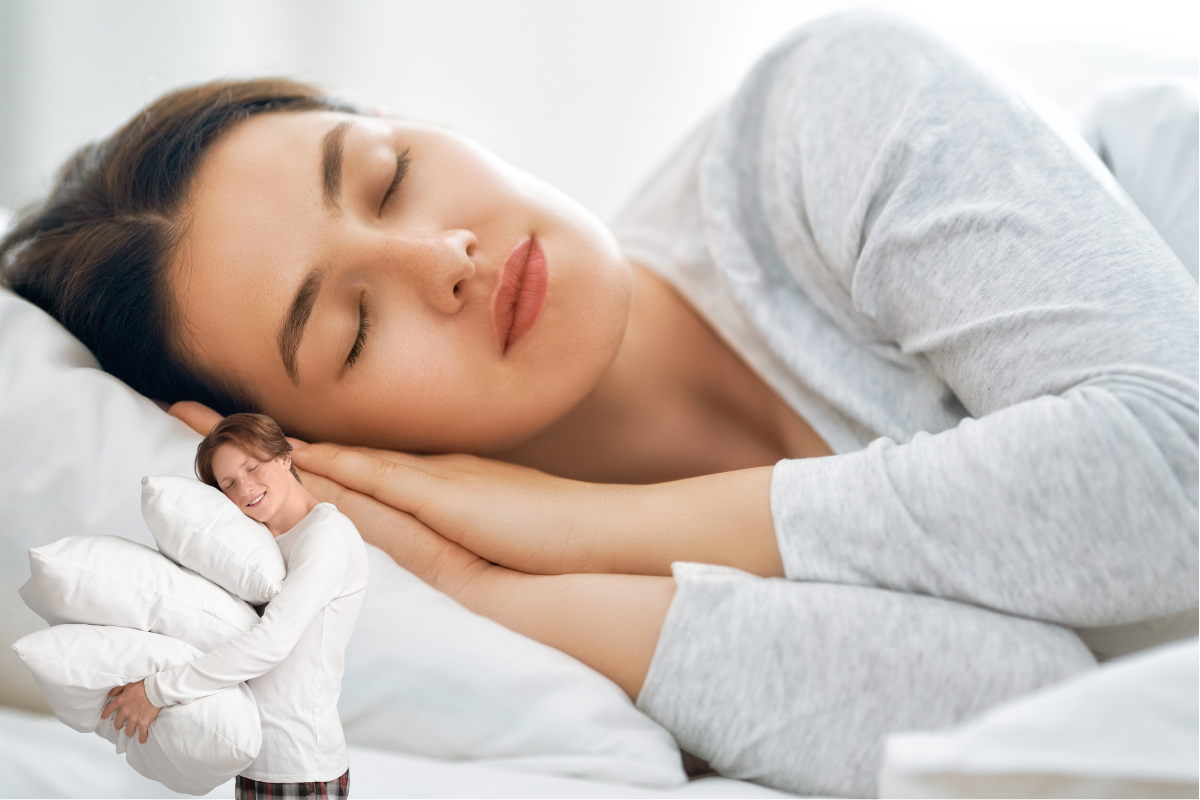
Sleep is one of the most vital aspects of maintaining good health, yet for many among us, it is an oft-ignored affair. Among the controversies surrounding sleep is the question of whether sleeping with or without the use of a pillow is the way to go. While the benefits of comfort and support are offered by pillows, sleeping without them appears to have its newfound popularity because of some perceived gains in health. The pros and cons of sleeping without a pillow will thus be discussed here in order to provide insights for making an informed choice.
Why Do We Use Pillows?

Pillows have been a part of human sleep for millennia. They serve as support for the head, neck, and shoulders and help maintain proper spinal alignment. For many people, a pillow is a source of comfort that relieves neck pain and ensures a good night’s sleep.
Yet not all pillows are made equal. They can be either too tall or too low, soft or firm, putting a strain on the neck or causing discomfort. Overlong periods of incorrect support from pillows could even lead to poor posture. That is why some sleep enthusiasts and experts have raised questions about whether pillows are necessary to begin with, given the advent of modern mattresses that provide supreme support.
Benefits of Sleeping Without a Pillow
1. Improved Spinal Alignment For Certain Sleepers
Back sleepers can, with the aid of an occasional lack of pillow, align their spines. A too-high neck pillow brings the head forward, thus straining the neck and upper back. No pillow promotes a more natural alignment, which arguably reduces neck pain drastically in time.
2. Wrinkle Prevention and Pressure Release for Skin
No pillow reduces any stress on the face during rest. This causes less wrinkle development and less skin irritation caused by contact between the face and pillowcase.
3. Neck Pain Relief
Some individuals with mild neck pain may find it offers some relief to stop using a pillow, especially if their mattress provides adequate support. Having no pillow keeps the neck in a straight and relaxed position, which may aid in reducing stiffness.
4. Good Posture
Over time, sleeping without a pillow begins to promote good posture. Not having to elevate the head unnecessarily permits the spine to maintain its natural curves, thus enhancing overall alignment while awake.
Possible Risks or Drawbacks
Though it has its advantages, pillow-free sleeping is not for everyone. It is prudent to consider the possible disadvantages so that they may lead a person to the right decisions.
For neck trauma most commonly occurring at the temporary time known as sleeping, pillow and no pillow arrangements would certainly be unnatural and uncomfortable. But the pillow will assist the head and align it with the shoulders while sleeping in the side position.
1. Neck strain
Many side-sleepers find it natural to sleep without using any form of pillow, but in many cases, this becomes a discomforting and strain-producing unnatural angle for the neck. A pillow will act on the head and place it right with the shoulders for side-sleeping.
2. Discomfort for Side Sleepers
For those who habitually sleep on their side, a pillow keeps the head level with the spine. It will not take long for the discomfort of shoulder or upper back pain to develop, which would hinder a good night’s sleep.
3. Bad sleep quality
Poor sleep quality can occur when the body feels unsupported. While tossing and turning in bed prevents someone from really getting into a deep sleep.
4. Pre-existing Conditions
People with certain conditions like cervical spondylosis and herniated discs, as well as chronic neck pain, may find that their symptoms worsen in the absence of any supportive pillow. Seek a healthcare professional’s advice before discerning any major change in pillow habits.
Who Might Benefit Most from Sleeping Pillow-Free?
Sleeping without a pillow may not be the best for everyone; however, it may benefit a few who actually need it:
- Back Sleepers: If a person sleeps on his or her back on a supportive mattress, spinal alignment may be the best without any pillow.
- Those Interested in Fading Facial Wrinkles: One realises the advantage of being pillow-free while sleeping, which delivers less pressure to one’s face.
- Posture Buffs: Sleeping without a pillow may suit those wanting to attain better posture without force.
- People with Mild Neck Pain: Some report relief from neck and back stiffness if they do away with using pillows, more so when it concerns pillows that happen to be too high or too firm.
Tips on How to Transition to Pillowless Sleep
In case you’re seriously thinking about going pillow-less, do it gradually rather than abruptly.
1. Lower the Pillow Gradually
For the first night, use a very slim pillow, or try folding your regular pillow. Gradually decrease elevation until you reach the point of not using a pillow.
2. Try Changing Sleeping Positions
Primarily back sleepers will benefit, but slightly changing the position or using a smaller pillow will be helpful for some time for side sleepers too.
3. Keep a Check on Your Mattress
A supportive mattress is a must. If your mattress is a bit soft, you might need a thin pillow; otherwise, getting comfortable without a pillow should be no problem with a firm one.
4. Remember, Your Body Is the Real Guide
Keep a record of your sleeping experience, e.g., your neck stiffness and awareness about the overall comfort. An inability to become comfortable may mean having to use a pillow again or looking for compromises.
Expert Opinion & Studies
There are no clear-cut answers, but experts suggest pillow use should vary according to sleeping position and comfort. In the words of orthopaedic specialists:
Back Sleepers: A thin pillow or no pillow allows for natural alignment of the spine.
Side Sleepers: Generally, it is best to use a pillow to keep the neck in alignment.
Stomach Sleepers: A very thin pillow or no pillow prevents extreme neck rotation and strain.
Expert Opinions and Scientific Opinions
While there are no precise conclusions on the matter of pillow use, experts maintain that the decision should rather hinge on personal comfort and one’s sleeping style. Orthopaedic specialists comment:
For Back Sleepers: A thin pillow or no pillow at all keeps the spine in its natural alignment.
For Side Sleepers: A pillow best maintains neck alignment.
For Stomach Sleepers: A very thin pillow or no pillow will help avoid extreme neck pressure and strain.
According to the 2018 Journal of Physical Therapy Science study, maintenance of a neutral cervical spine alignment while sleeping may reduce the likelihood of neck pain. Thus, being benefited with either the choice of pillow or no pillow may also be a principal contributing factor.
Conclusion
Should one sleep without a pillow? The simple answer is no. Sleeping without pillows may help keep back sleepers’ spinal alignment, compress less forehead, and possibly work to enhance posture. On the other hand, the comfort or augmenting of pain – this may lead to discomfort – with side sleepers or in those already having neck conditions.
A safer way to go about it is to experiment: slowly reduce the height of the pillows and observe how your body feels, and then decide on whatever option you sleep best with. More than anything, keep in mind you want a good night’s sleep, with or without a pillow.
Final Thought
Sleeping without a pillow is very subjective. Listen to your body, implement slow changes, and find out what feels best for your neck, spine, and overall comfort. You might discover your best sleep requires no pillow or that it absolutely does.












Leave a Reply