

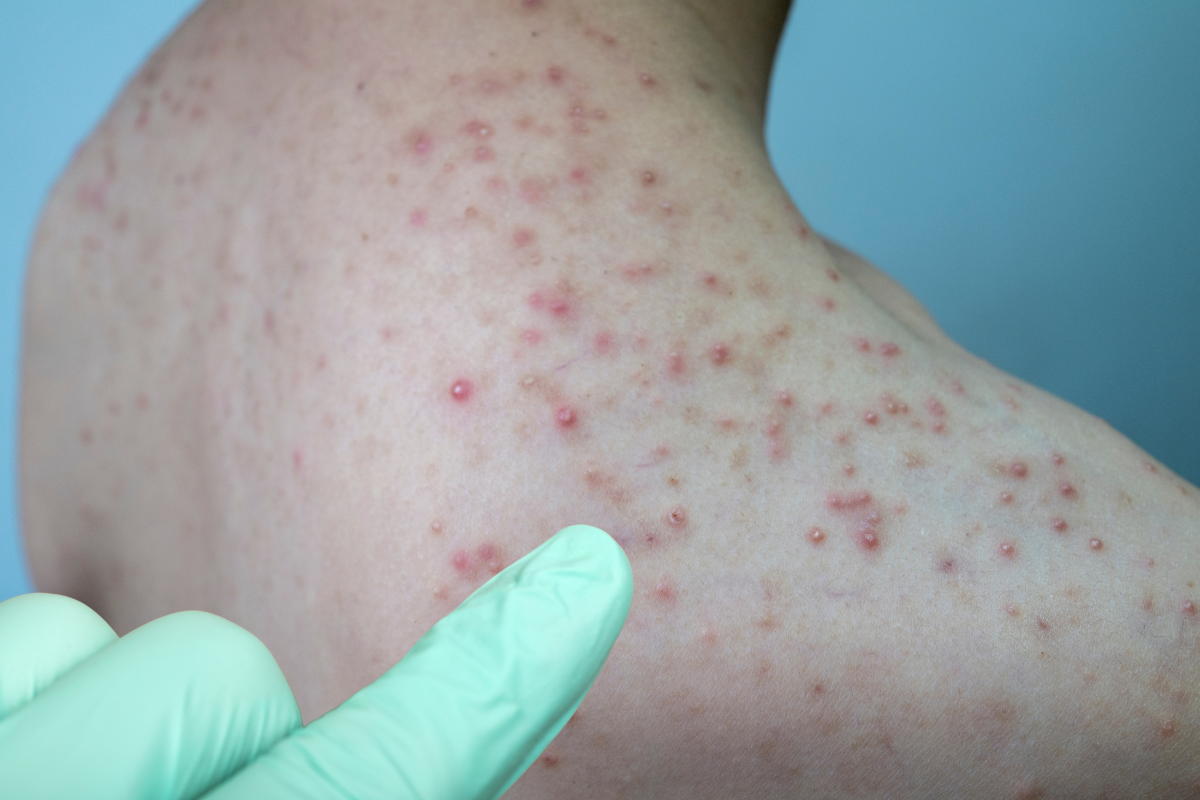
When talking about butt acne, few will converse or enquire, yet incredibly many deal with it silently. Painful little red bumps or even pus-filled spots on one’s backside are not very pleasant or are embarrassing. While they may not be life-threatening, they do affect one’s confidence, daily ease, and even clothing choice.
Acne on the buttocks is a very common skin problem. It’s basically caused by all or any of the following reasons: plugged pores, excessive sweating, friction, and bacterial growth. While it may feel somewhat embarrassing, the acne is actually very easy to treat with the correct skincare regimen. You don’t have to go for expensive treatments – simple daily habits and some home remedies can greatly help in clearing the bumps and preventing future occurrences.
The good thing is that butt acne, like a lot of other skin conditions, is treatable, and with some proper treatment and care, one may see considerable improvement within weeks.
In this article, we will explore the causes of butt acne, how the pain feels, treatments following a dermatologist’s advice, ways to prevent it from occurring, and even several real-life examples of people who overcame it successfully.
Quick Answer
Exfoliating the skin two to three times weekly, using salicylic acid or benzoyl peroxide washes, keeping the area clean and dry, donning looser cotton clothing, and minimising heavy sweating are some of the ways butt acne can be treated. Home remedies include tea tree oil, aloe vera, and warm compresses.
How Does Butt Acne Happen?
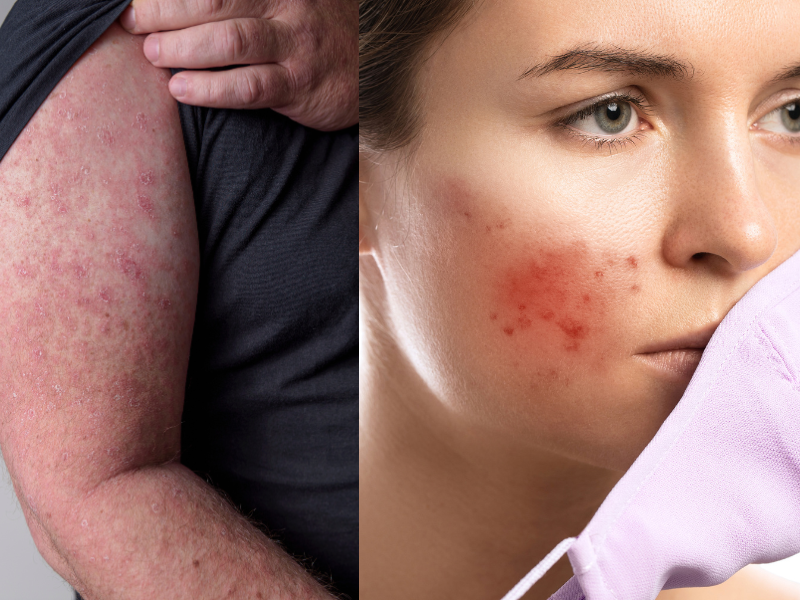
Butt acne is, for the most part, not really “acne” in the same way that pimples on your face are. Dermatologists describe it to be most of the time folliculitis, wherein hair follicles become inflamed due to causes like sweat, friction, or bacteria. At other times, it could be keratosis pilaris, which leads to rough, acne-like bumps due to keratin buildup.
But what really causes it? The most common causes are sweat being trapped in tight clothing, poor hygiene post-workout, and prolonged hours of sitting; some hormonal imbalances, bad food habits, and very occasionally the usage of wrong products may contribute. Out of these, trying to exercise in a pair of tight leggings, sweating a lot, and not changing for a couple of hours is the worst! Bacteria and clogged follicles thrive in such a condition.
What Does Butt Acne Feel Like?
How it feels varies with the severity. Some individuals may feel only very minor itchy bumps, while others have large red bumps that make sitting quite painful. Severe states could feel like large boils or cysts that ache when pressed and could be troubling to walk or exercise with. For many people, there is a feeling of both irritation and embarrassment—they just wish they could forget about it, but the irritation keeps reminding them.
Home Cure For Butt Acne (Simplest Treatment)
- Salicylic Acid Shampoo unclogs pores and destroys bumps.
- Benzoyl Peroxide Wash (2.5 or 5 per cent):- kills the bacteria and redness and decreases swelling.
- A warm compress aids in soothing and reducing painful bumps.
- Tea tree oil: has natural antifungal properties and is taken with coconut oil.
- Aloe vera gel: reduces redness and speeds healing.
- Mild exfoliation between 2 and 3 times a week effectively removes dead skin with gentle buffs by using mild scrubs.
- Witch hazel: reduces oiliness and itching.
What to avoid
- Tight jeans or leggings
- Sitting in sweaty clothes
- Heavy lotion
- Frequently shaving
- Picking or squeezing bumps
Real-Life Cases That Show Recovery is Possible
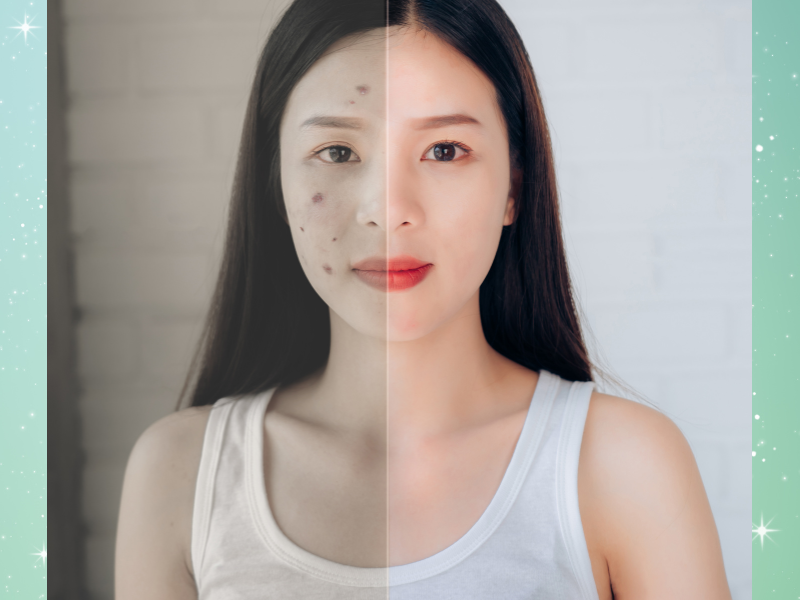
Hearing the words “Butt acne is treatable” is one thing; seeing a successful result always boosts one’s confidence a bit more. Here are some anonymised cases based on real-life experiences.
The Fitness Enthusiast
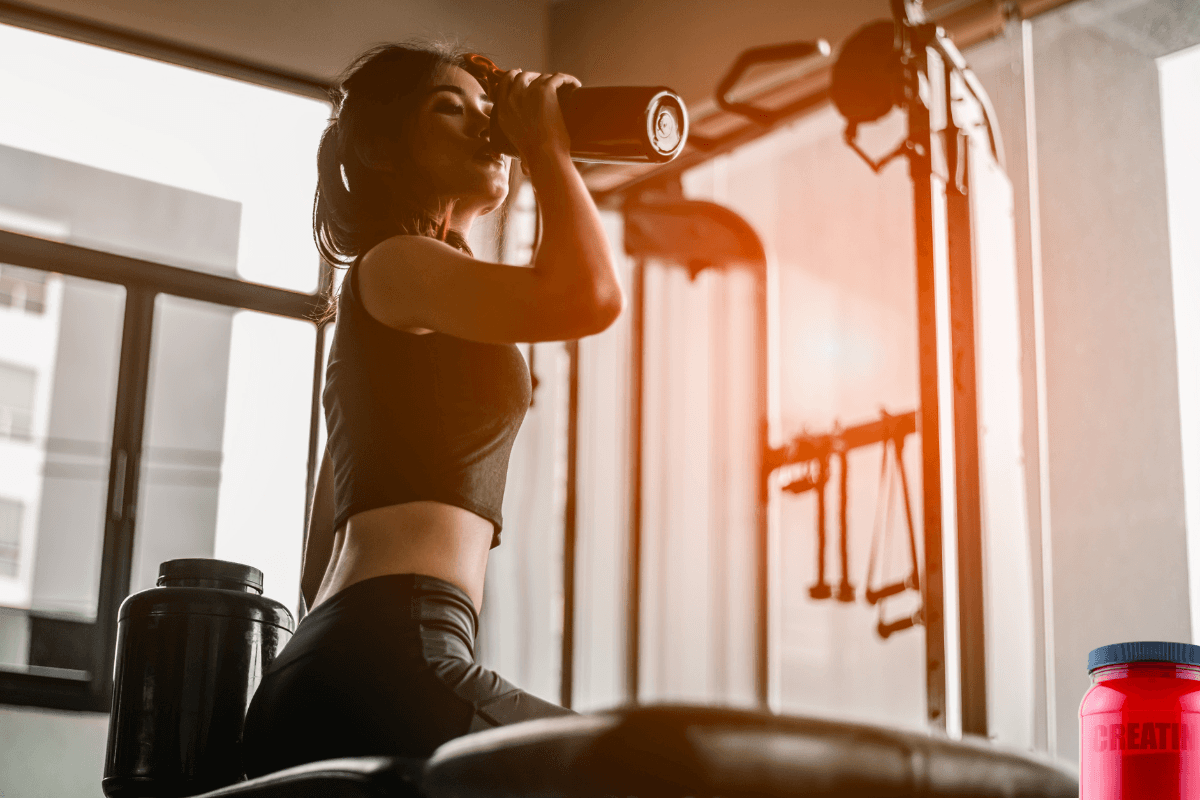
The buttocks of a 26-year-old woman became red and painful after her daily workouts. She confessed to wearing tight gym leggings for long hours after profuse sweating. Three weeks into switching to cotton underwear, showering immediately following a workout, and using a benzoyl peroxide body wash, her butt acne saw significant improvement. She continues with this regimen after three months without any further flare-ups.
The Desk Job Worker
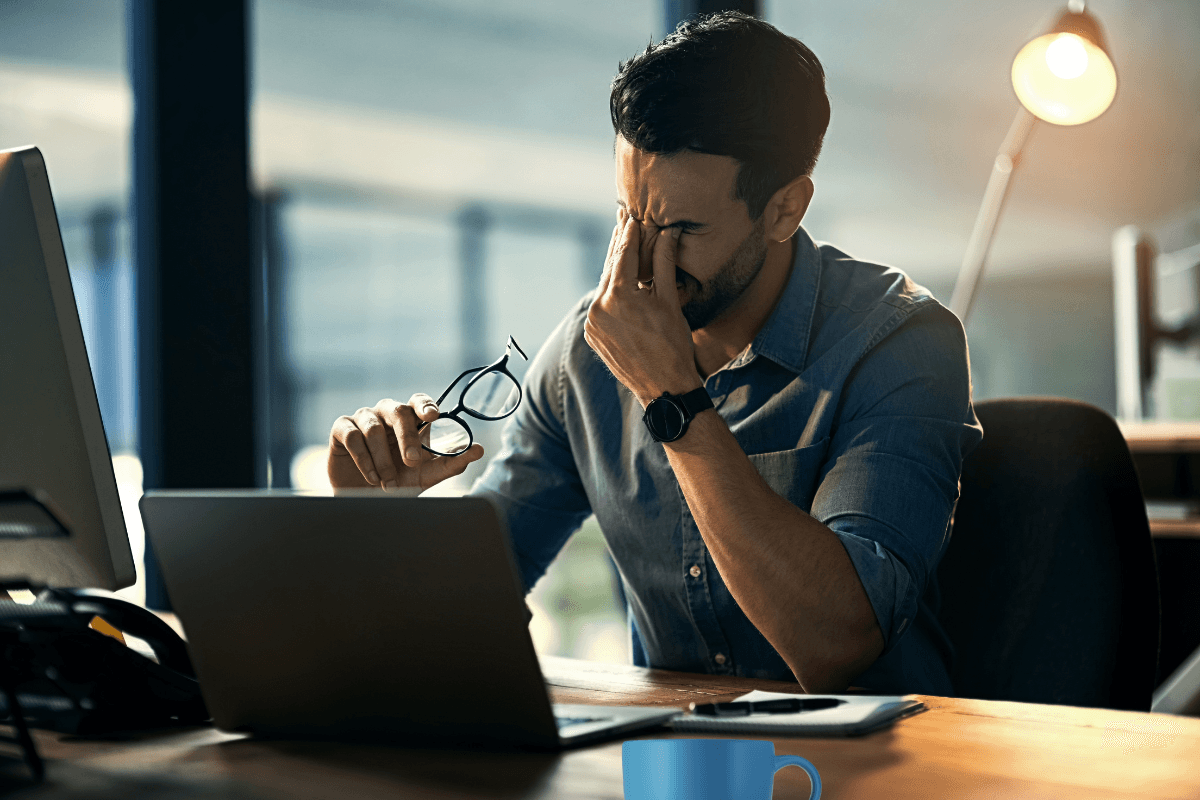
A 34-year-old man with a desk job developed recurring painful boils. Sitting 8–10 hours daily in tight formal pants made it worse. His dermatologist recommended a topical antibiotic with salicylic acid lotion. With the addition of small walks and more baggy clothes, he also adapted his lifestyle. It took quite less than a month for those painful bumps to subside and leave his skin smooth.
The Hormonal Flare-Ups
A young college student observed that around her menstrual cycle, her butt acne worsened. Consulting her dermatologist, she was informed that it was a hormonal trigger of inflammation. By eating better, drinking plenty of water, and using a retinoid cream, she noted much improvement in two months. She equally stated that stress management techniques were of great help in reducing her flare-ups.
These cases show that butt acne is not permanent – and with proper care and maintenance, results can show up surprisingly fast.
Dermatologist-Approved Methods for Treatment
Dermatologists all agree that the primary management must be gentle yet sustained. They recommend an antibacterial body wash with benzoyl peroxide or salicylic acid to clear the pores and kill bacteria. In contrast to harsh scrubs that irritate the skin, these are effective without injuring the skin surface.
For treatment-resistant acne, dermatologists support topical applications such as retinoids and antibiotics. Painful spots can be relieved with warm compresses, while oral antibiotics are suitable for persistent cases of folliculitis. Equally important lifestyle changes would be wearing breathable cotton underwear, changing from sweaty clothes quickly, and avoiding harsh detergent chemicals so as not to aggravate any future flare-ups.
Time-Tested Suggestions from People Who Have Actually Cured Themselves from This Condition:
Those brave enough to have ever fought against butt acne seem to have some wise yet fairly simple yet powerful recommendations to give:
- Consistency rules over products.” Many emphasise that you can’t just smear some cream once and expect results. Regular cleansing, moisturising, and some lifestyle changes are what really instigate long-lasting change.
- Don’t pick at it.” Many regret trying to squeeze or scratch their bumps, which only made them stand out more and left ugly scars.
- Your diet makes a difference.” Some said their skin cleared up once they started moderating sugary snacks, fried food, and processed dairy.
- Clean clothes are key.” Amazingly, a fair number of people found some relief just by washing workout clothes immediately with a mild detergent.
Prevention Is the Best Cure
Once the skin heals, protecting it from any future damage is the next step in the case. Showering after workouts, gentle exfoliation 2 to 3 times a week, and moisturising lotion, preferably noncomedogenic, are the basics. Staying hydrated, eating anti-inflammatory foods like leafy greens, fish, and nuts, and managing stress will all help keep the skin healthy. Above all, remember that the small everyday habits – like HIV-negative dampness or using breathable fabrics – make the greatest difference in preventing butt acne from returning.
When to Seek the Help of a Doctor
If the bumps are extremely painful and full of pus and look like cysts that won’t heal, it’s best to consult a dermatologist. They will tell you whether this is acne, folliculitis, or some other skin condition and provide the correct treatment for each issue. Early medical attention can save you from scarring down the road and prevent unnecessary suffering.
Final thought
Never be smooth; butt acne might feel embarrassing, but it is far more common than we think. The condition arises from a couple of rare things: sweat, friction, ingrained follicles, and sometimes, hormonal imbalance. The pain can vary from a mild itch to intense tenderness, and the best thing is that it is completely treatable. The skincare expects the doctors’ approval; the maintenance knowledge, breathable fabric, and minor lifestyle alterations will, over time, show visible improvements.
One can find assurances in testimonies of the recovering-in-progress, whether a gym rabbit, desk jockey, or someone temporarily inhibited with hormonal changes – the road to clear skin certainly lies in dedication and well-thought-out prevention. Therefore, if you have had a long-standing fight against butt acne, it is good to know that you are not alone and, with the right approach, smooth and healthy skin is wholeheartedly achievable.
FAQs
Generally, these small bumps due to sweat or friction, if mild, resolve with good hygiene. The persistent and painful type of acne needs specific skincare or dermatological management.
Yes. But, of course, diet won’t solely cause butt acne, though sugar, fried foods, and processed dairy certainly contribute to inflammation that can worsen breakouts. Most good skin will benefit from a healthy diet of vegetables and fruits and omega-3s.
Dermatologists say, “Use an antibacterial body wash with either benzoyl peroxide or salicylic acid, put on breathable cotton undergarments, and shower as soon as possible after working out – the key is consistency.”
Not especially; good hygiene can’t keep one from developing butt acne that’s sweat- or hormone-induced or due to the friction of tight pants. But definitely not showering after sweating is just going to make the situation worse.
Yes, the darker spots and scarring can be due to picking and squeezing the bumps. For that reason, dermatologists recommend gentle care and quick treatment rather than scratching or popping.




Leave a Reply