


In modern culture, in homes as well as restaurants and hotels, the dishwasher is one of the most essential appliances in the modern kitchen. Without it, you will spend hours scrubbing and doing all kinds of things to make your dishes spotless and hygienic for the family. Be it a big family or a single person, this super machine quietly undertakes one of the most time-consuming chores at home.
However, there’s one thing that most of the people misunderstand about dishwashers: they also need cleaning every now and then.
Ironically, the appliance that cleans plate after plate full of gunk can get gunky itself, collecting food residues, grease, soap scum, and maybe some invisible mould to boot. Allowing all this to build up smells really bad, diminishes the appliance’s cleaning efficiency, and may shorten its lifespan.
This guide contains everything you need to know about how to clean a dishwasher, from daily maintenance to deep cleaning. you are set to keep that MVP in your kitchen running smoothly and sparkling like new by the end.
Why Cleaning Your Dishwasher Is Essential
Before starting with the cleaning, it is worth knowing why this is so important:
Here are some home cleaning tips that can help provide you with cleaner, better dishes. A dirty dishwasher will either breed bacteria or mould or produce strange odours. Basically, hygiene for the family will remain once the resulting dish washes are sanitised and safe for family consumption.
Better Power
Grease build-ups and minerals can block spray arms and filters, thus preventing easy water access to all dishes. Frequent cleaning helps maintain maximum performance of the machine.
Long Lifespan
Always requires maintenance, just like any other appliance, to avoid any breakdown. A well-cleaned dishwasher has a lesser chance of seeing clogs or leaks or having motor problems.
Time and Money Savings
Water and detergent do their jobs better in a clean dishwasher, thus leading to fewer re-washes and saving money in electricity bills.
Step-by-Step Guide: How to Clean Your Dishwasher
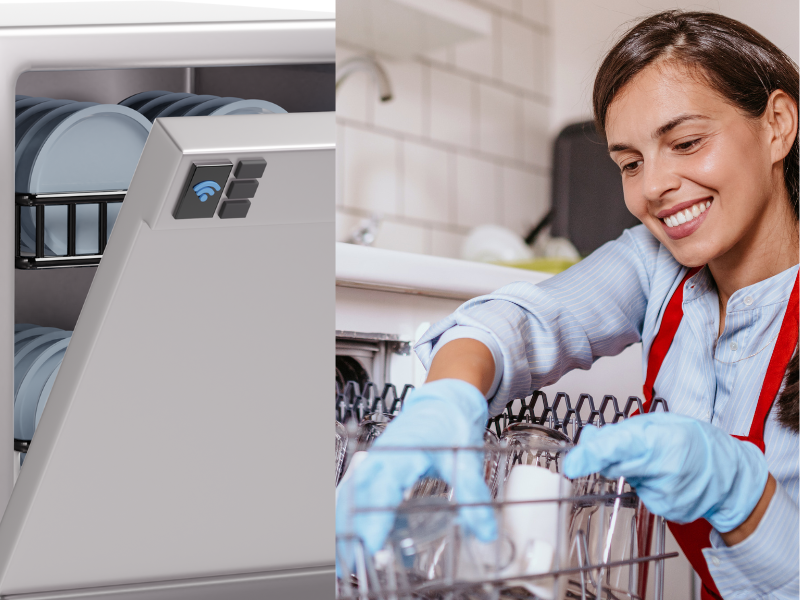
Cleaning a dishwasher is neither complicated nor exotic. It just requires the right steps, and consistency makes it a reality.
1. Daily Quick Care
- Seals these Remove Food Debris: Check the drain area after every cycle and pull out any large food particles that could prevent clogging and bad smells.
- Wipe the Door & Gasket: Take a damp microfibre cloth to quickly douse the edges of the door and the rubber seals-these areas tend to trap grease and soap residue.
2. Cleaning the Filter Weekly
- TwistMost dishwashers lack that last feature.
- Remove it: twist or lift it according to the instructions of the manufacturer.
- Wash with Warm Soapy Water: Use a soft brush or old toothbrush to scrub clean grease and food particles.
- Thoroughly Rinse: It should be put back in after it has completely dried.
- A clean filter allows drainage of the water while keeping your dishes clean, shiny, and super.
3. Monthly Deep Clean
Once every month, dedicate a day to pampering your dishwasher.
Step A: Vinegar Wash
- Put a dishwasher-safe bowl filled with white vinegar on the top rack.
- Run an empty hot water cycle without adding detergent or dishes.
- Grease cutting, mineral dissolving, and natural death to bacteria are vinegar’s functions.
Step B: Baking Soda Rinse
- Sprinkle one cup of baking soda across the inside of the dishwasher.
- Run a short hot cycle.
- Baking soda deodorises and makes the interior fresh and bright.
- Tip: Avoid them in a cycle with vinegar and baking soda; they cancel one another out.
4. Descale Hard Water Every 2-3 Months
- Descaled with descaler-safe
- Hard water builds hard deposits in any machine.
- A dishwasher should be descaled with descaler-safe or citric acid powder.
- Be careful in following the instructions to avoid internal damage.
5. Spray Arm Care
- Food balls or mineral particles can clog the spray arms.
- Remove if possible.
- Clear holes using a toothpick or small brush.
- Rinse it under running water and reinstall.
6. Exterior Cleaning
- A streak-free Don’t forget the outside!
- Wipe the door, handle, and control panel using a mild soap solution.
- On stainless steel surfaces, treat it either with a dedicated cleaner of stainless steel or a mix of water and vinegar for streak-free shine.
Professional Tips to Keep Your Dishwasher Cleaner
- Rinse Dishes Lightly, But Don’t Overdo It:Scrape off large food bits, but let the detergent handle normal residue—dishwasher soap works better with a little grease.
- Use the Right Detergent: Always use dishwasher-approved detergents. Regular dish soap can create excess suds and damage the machine.
- Run Hot Cycles: High-temperature cycles kill bacteria and help dissolve grease.
- Leave the Door Slightly Open After Each Cycle: This will prevent any moisture buildup, which will prevent mould growth.
- Check the Drain Hose: Every few months, look for clogs or kinks to keep water flowing smoothly.
Most Common Dishwasher-Cleaning Mistakes
- Skipping the Filter: In fact, the neglect of the filter is perhaps one of the biggest reasons that dishwashers stink.
- Bleach with Stainless Steel Interiors: Bleach is likely to corrode stainless steel and rubber seals.
- Overstuffed Racks: Water cannot flow into the dishes as it should, and excessive residue collects.
- Seals Neglect: Mould usually starts growing on door gaskets. Thus, it is advisable to wipe them regularly.
- These three will ensure that you are eco-friendly while cleaning your homemade products: vinegar, baking soda, and lemon juice. They do the trick quite well, as they are safe, cheap, and gentle on dishwashers. Place some lemon slices on the top rack while running through a rinse cycle for an extra fresh smell.
Immediate Cleaning Needs Signs In Your Dishwasher
- Never-ending bad odours, even after cycle runs.
- Cloudy glassware, even with the use of rinse aid.
- Puddle water at the machine’s floor.
- Visible mould or black spots around the seals.
- When you see these signs, do not wait for the once-a-month schedule; clean it now.
Final Thoughts
A dishwasher is no longer an amenity but an essential appliance for a healthy and time-saving kitchen. It cleans tirelessly day and night; therefore, it deserves to be pampered continuously for best performance. By adhering to these very simple procedures of daily wipe down, weekly filter clean, and monthly deep clean, you ensure that your machine operates at optimum levels, dishes sparkle, and the whole kitchen is kept hygienic. The hygiene of the dishwasher is not about being showy; it is about the protection of the investment, saving time, and keeping your family healthy. Get in there and make it work now, and you will enjoy spotless, pain-free dishwashing for years to come.












Leave a Reply